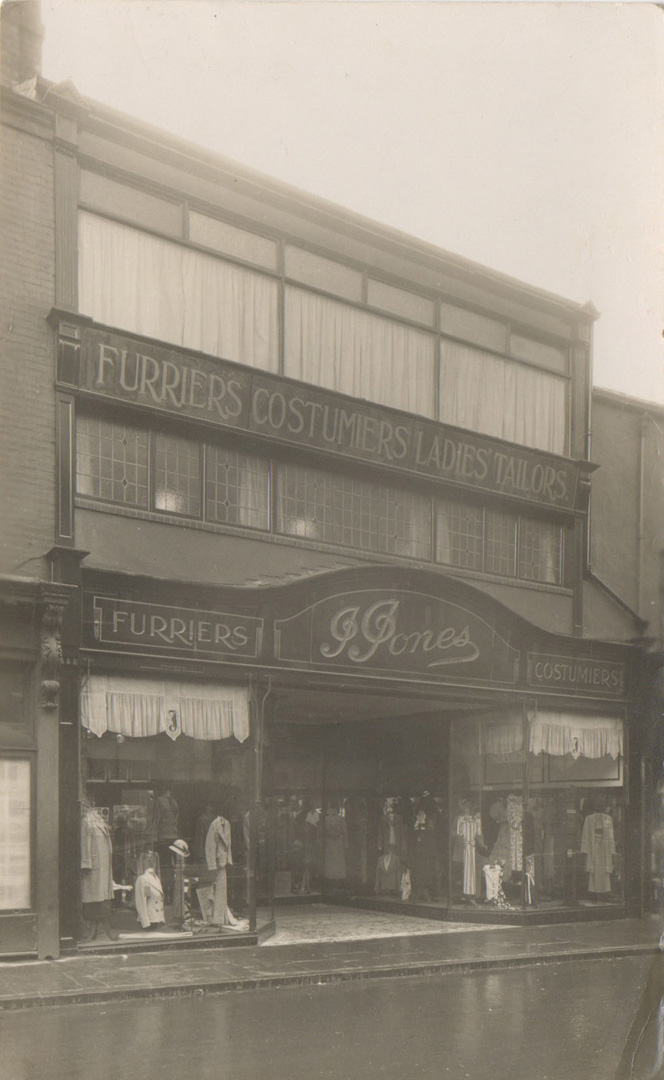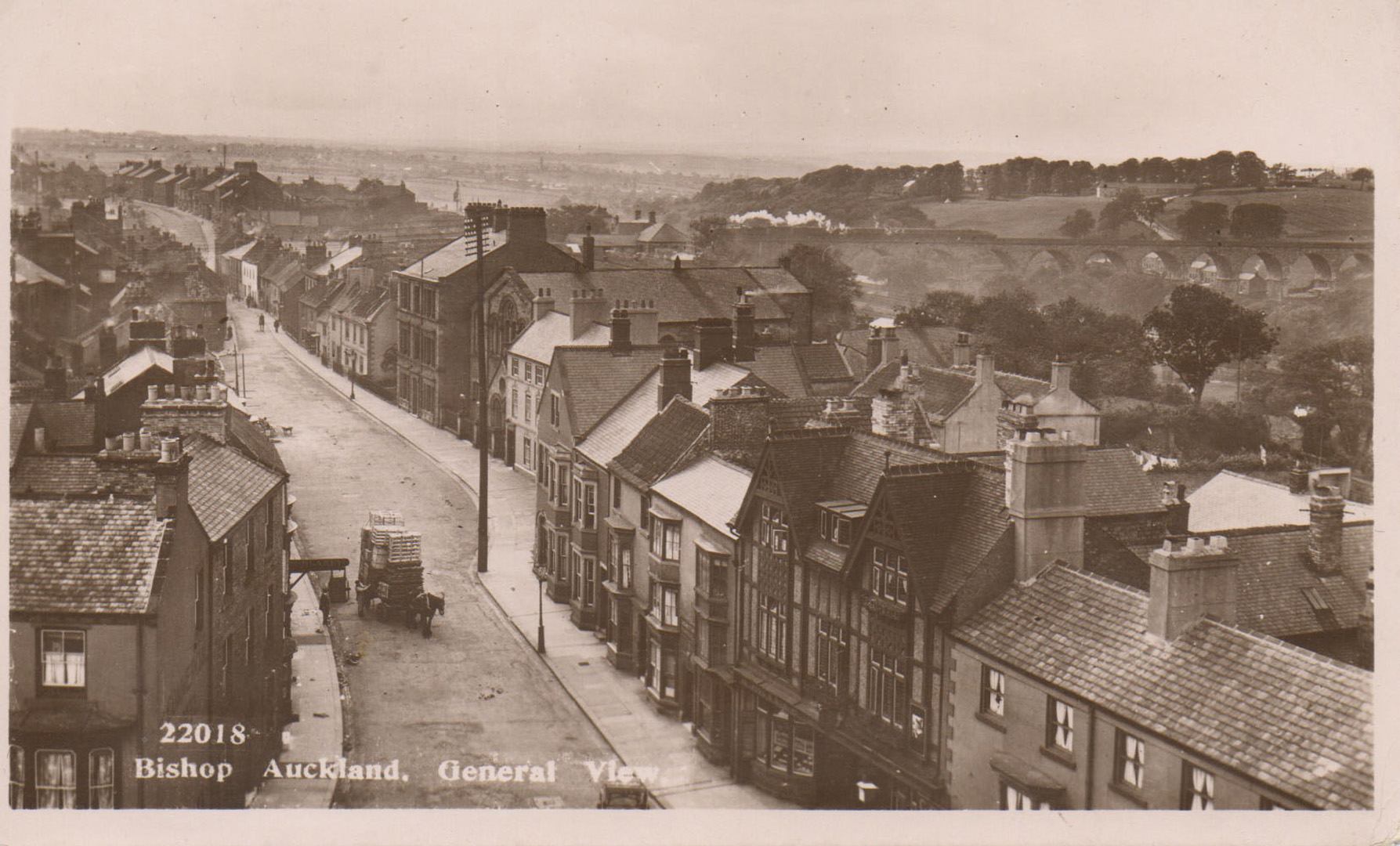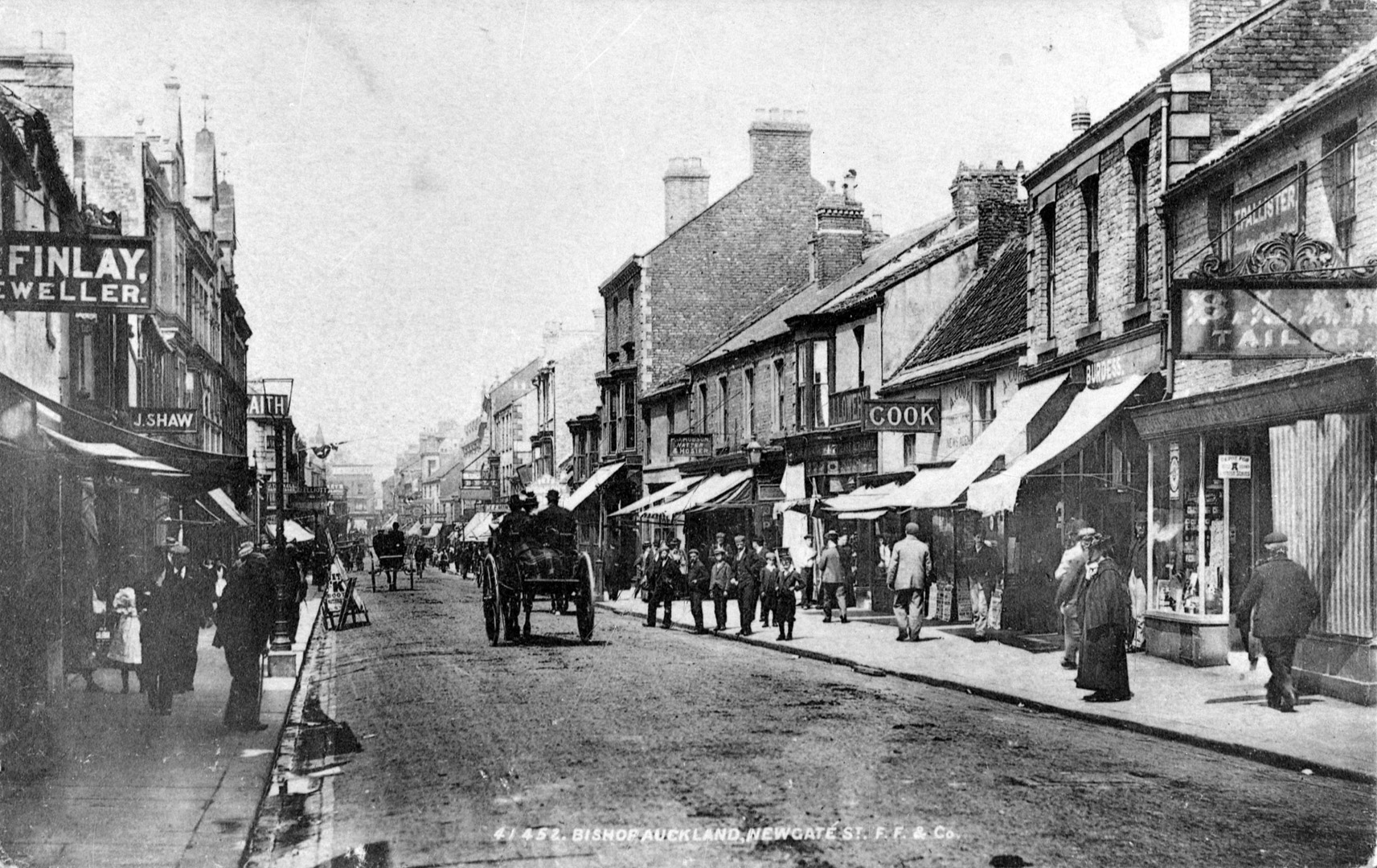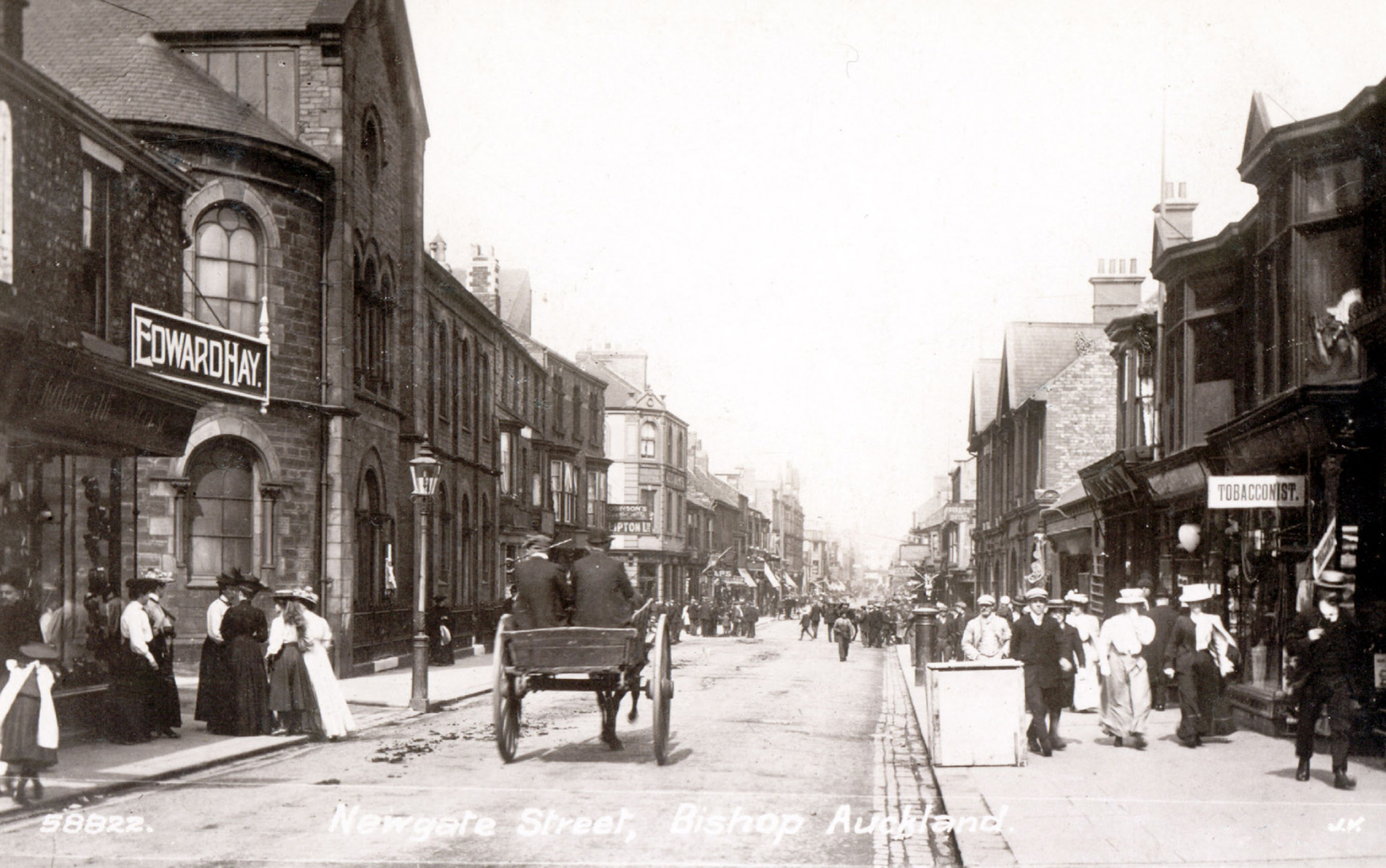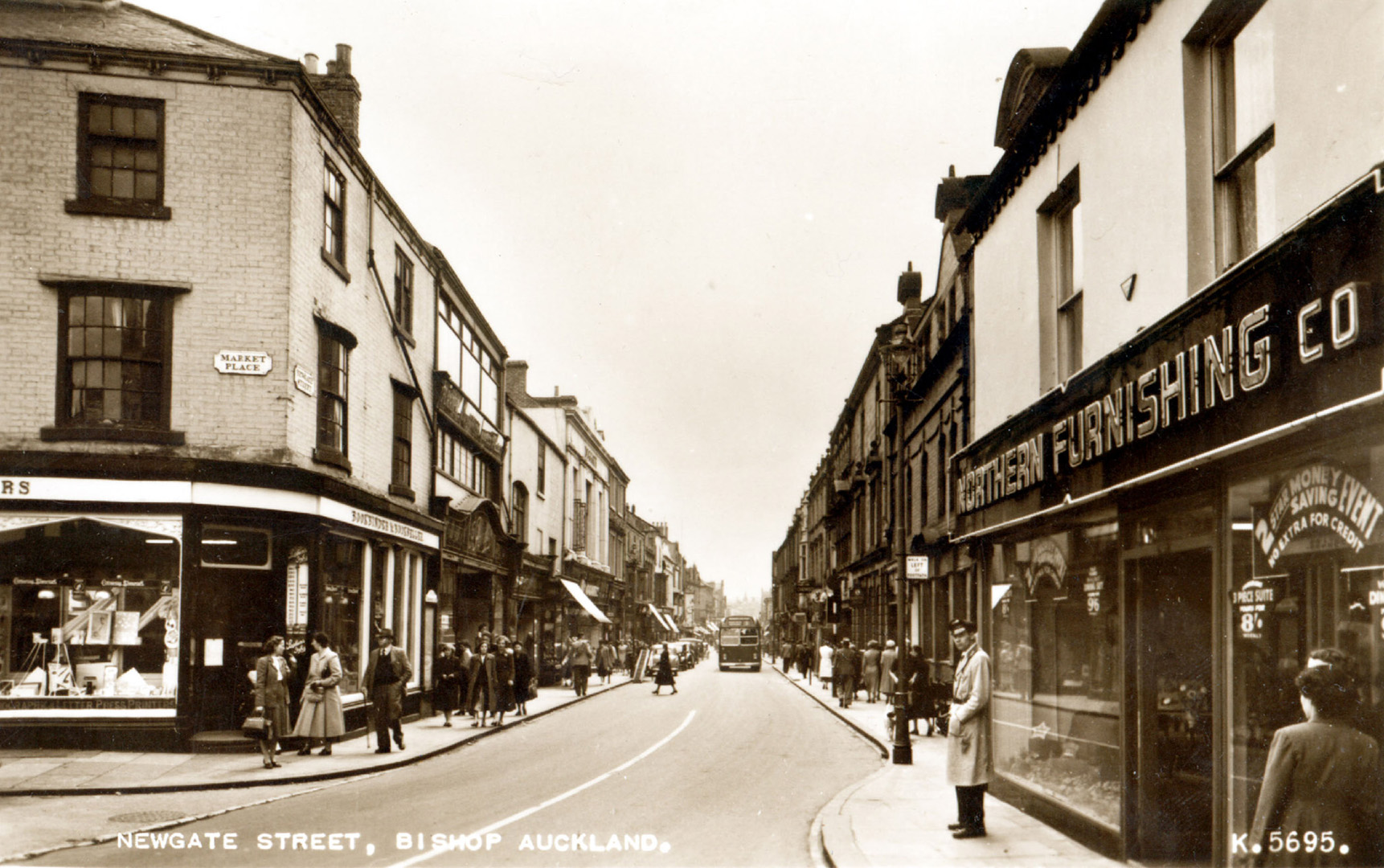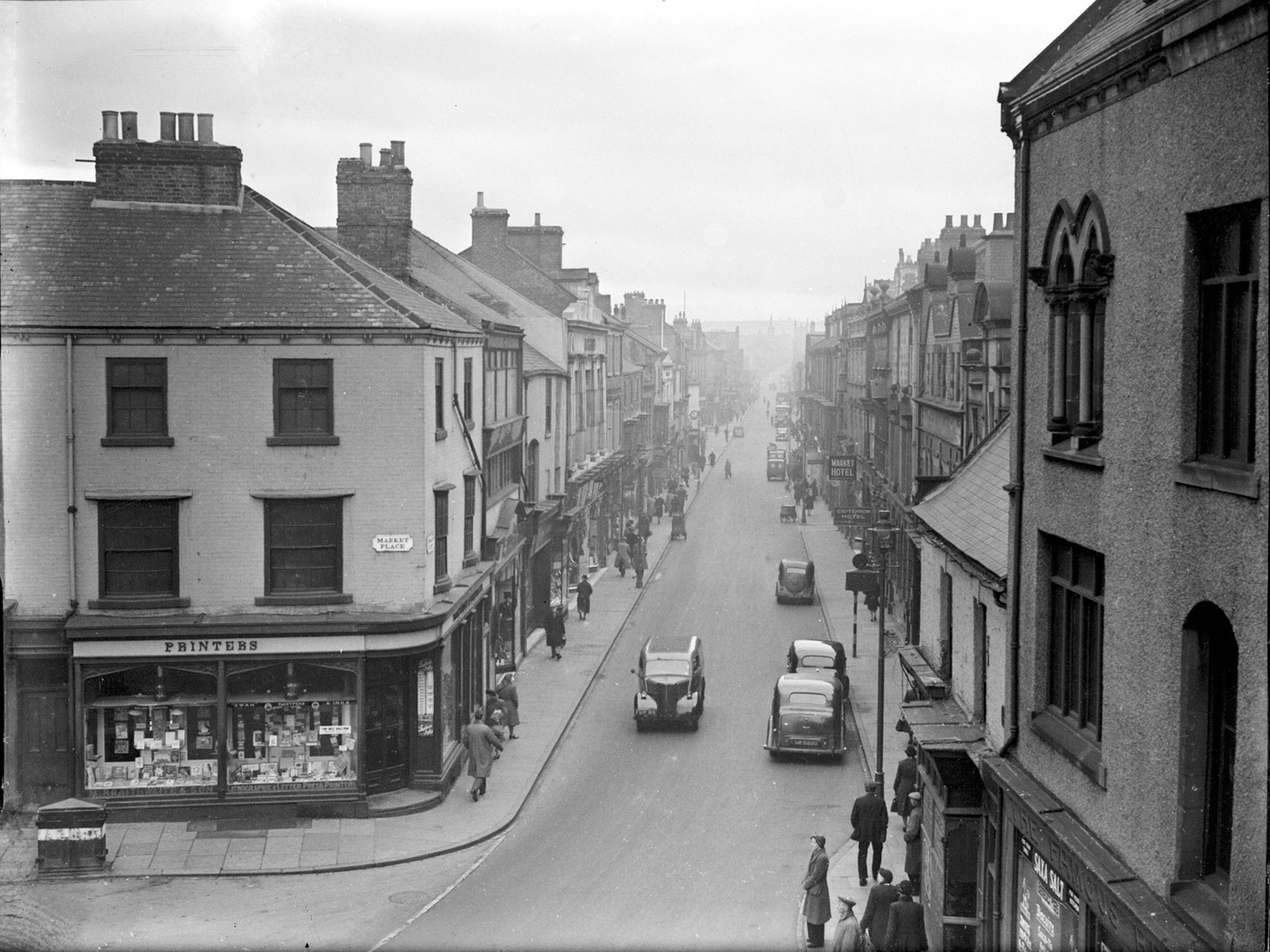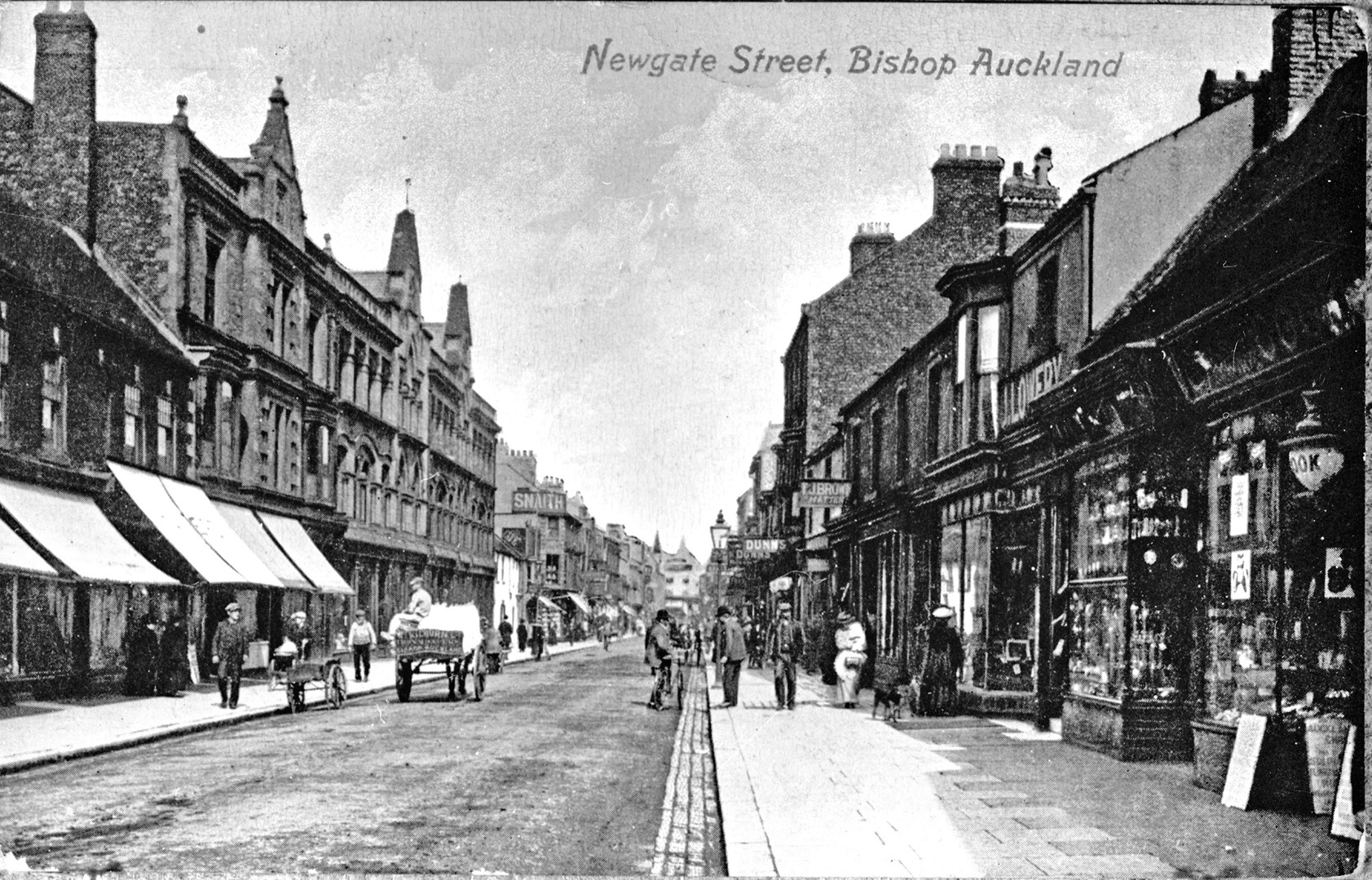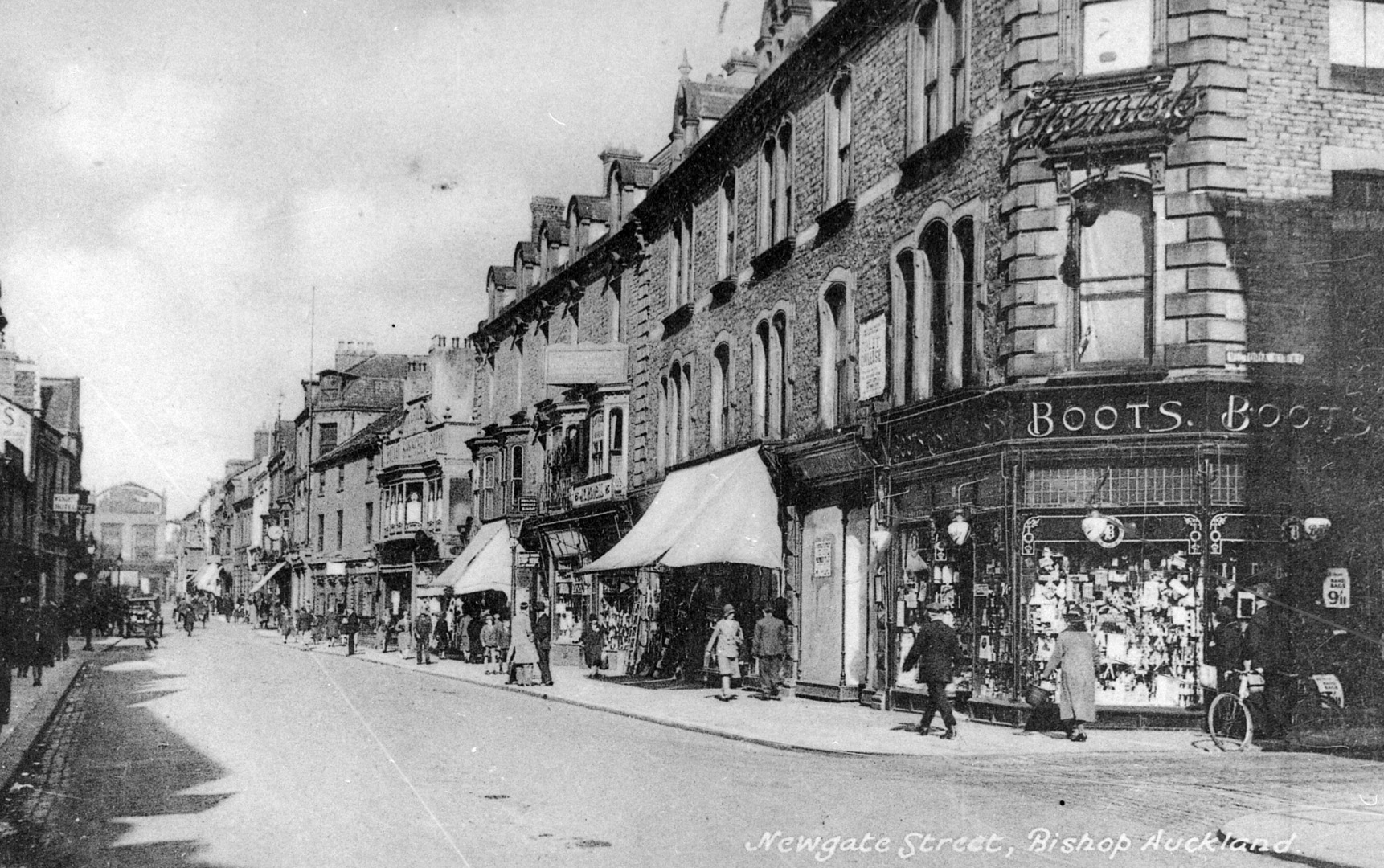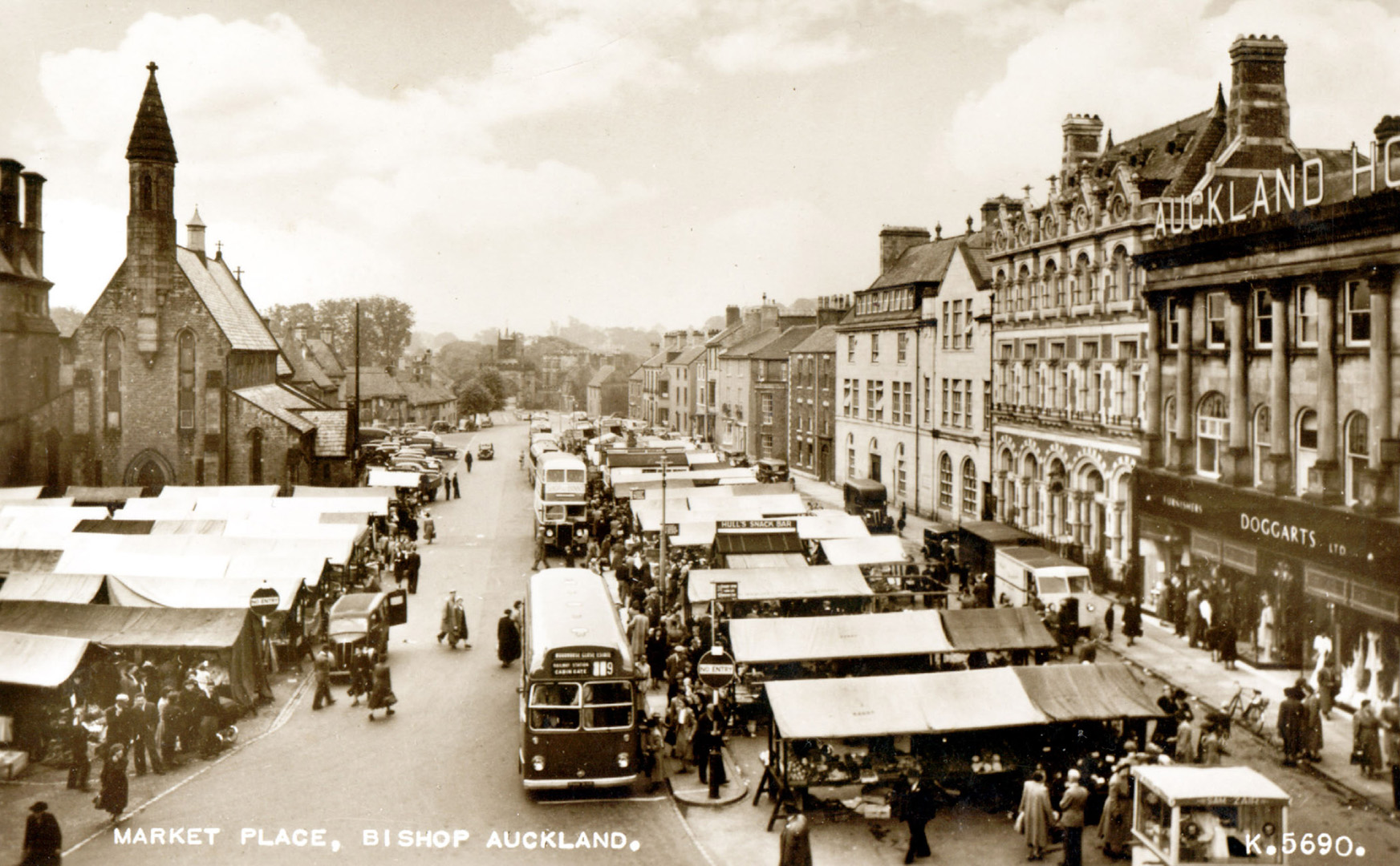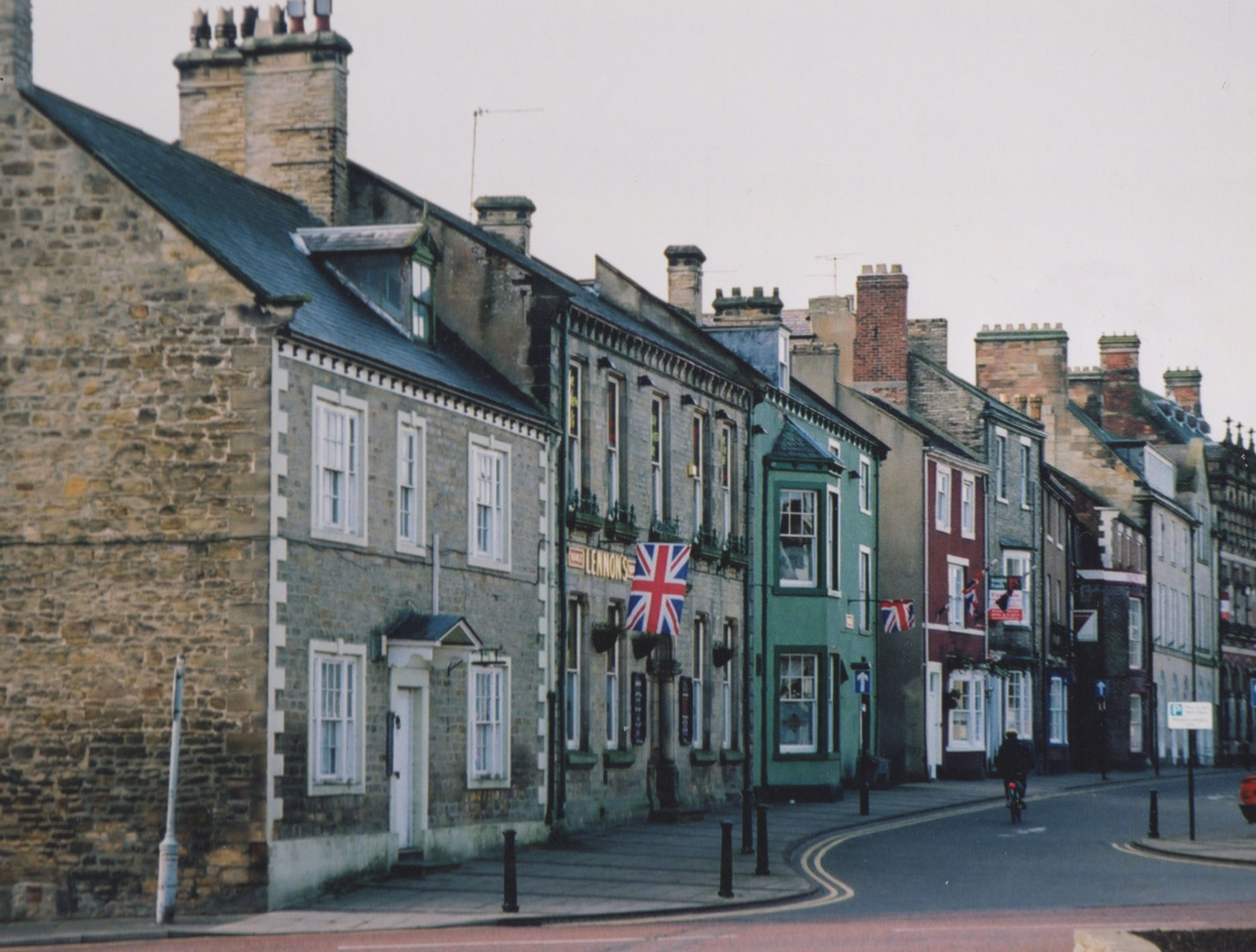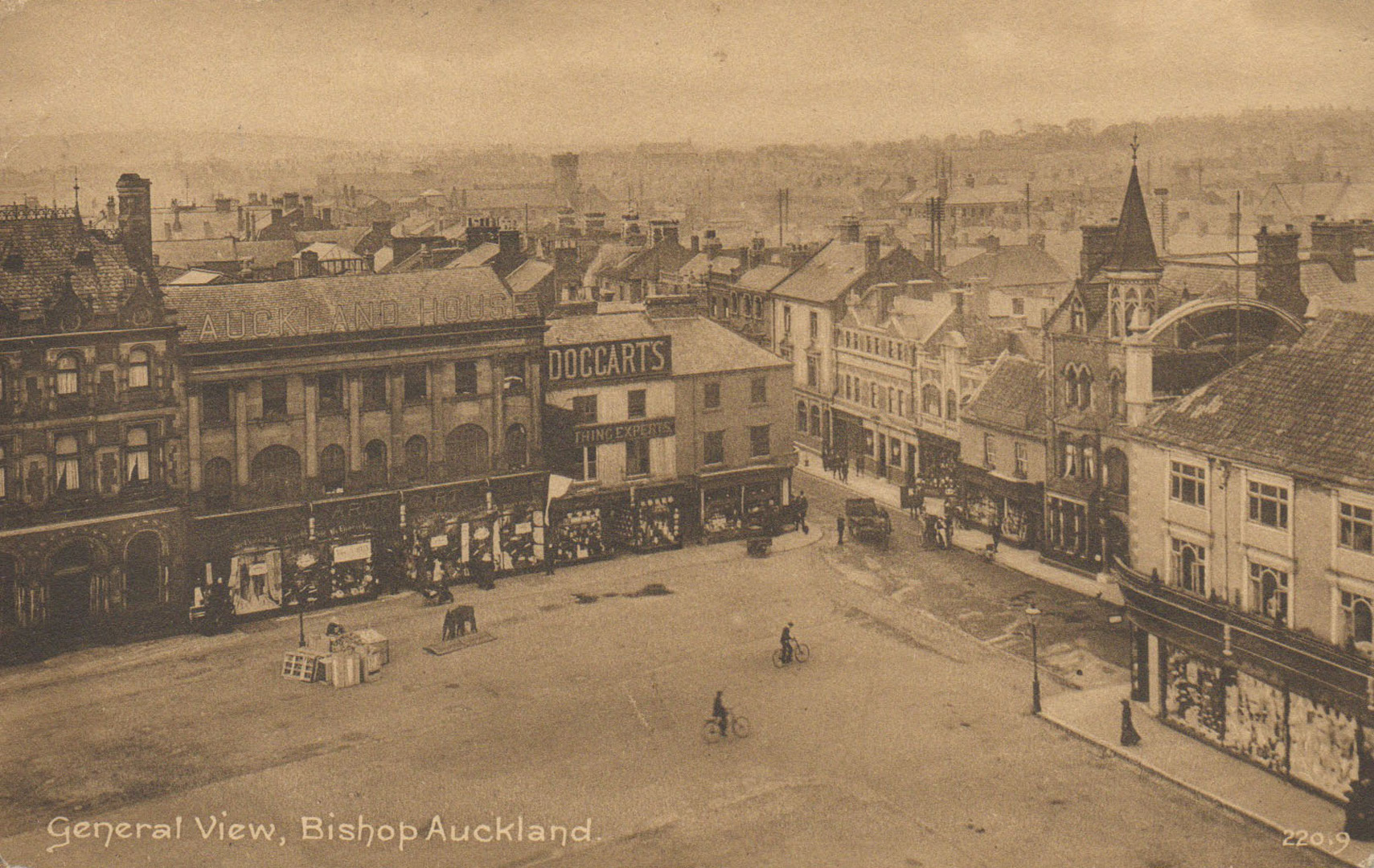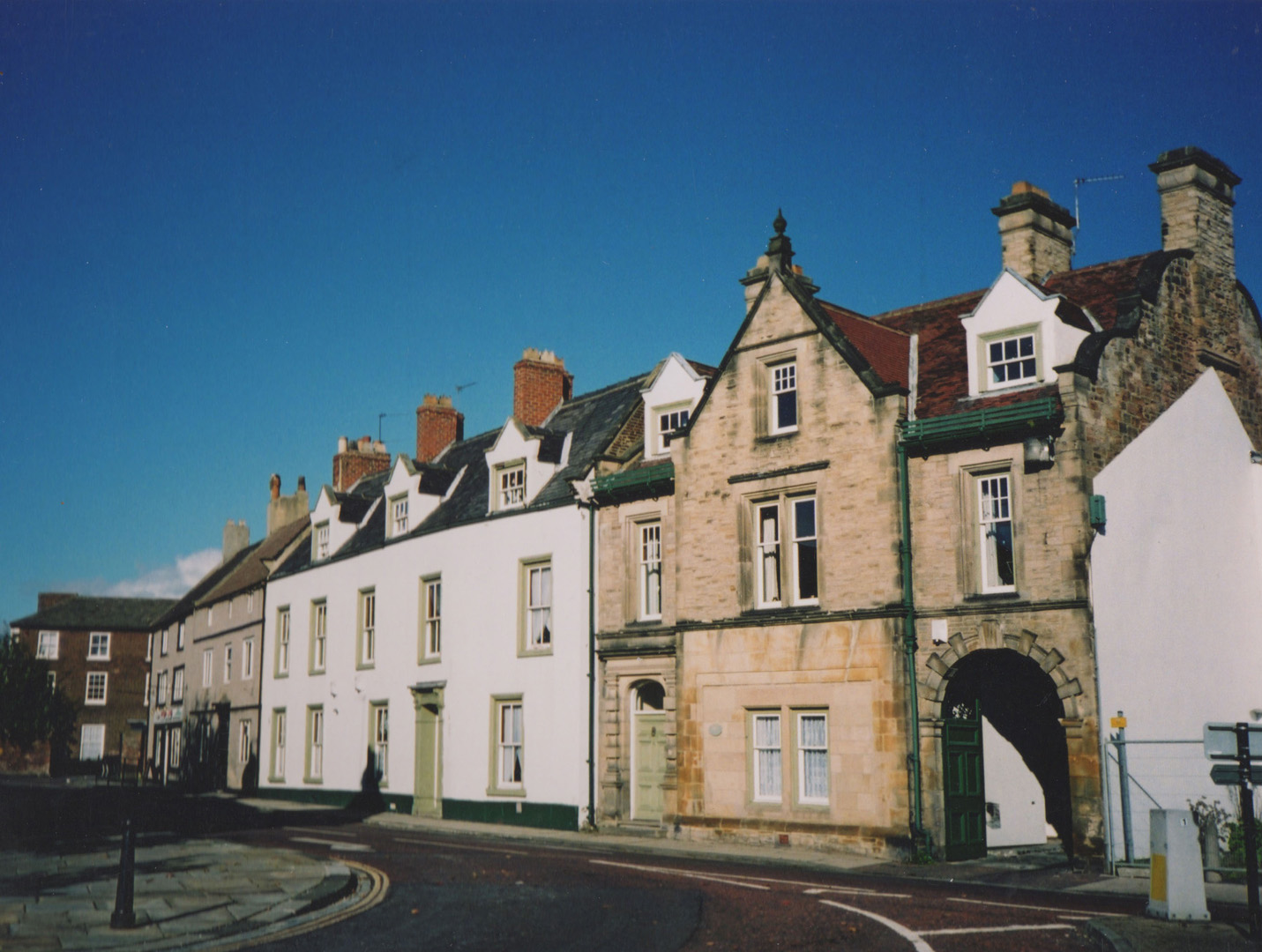
Rediscover Bishop Auckland and learn how to look past the present. Take a walk down Newgate Street and stroll around the Market Place to see how the look of the town has developed over the past 200 years.
The notorious serial killer Mary Ann Cotton was brought to Bondgate Station.
Mary Ann Cotton
She’s dead and she’s rotten
Lying in bed with her eyes wide open
Sing? Sing? What song should I sing?
Mary Ann Cotton is tied up in string
Where? Where? She’s up in the air
Selling black puddings for a penny pair
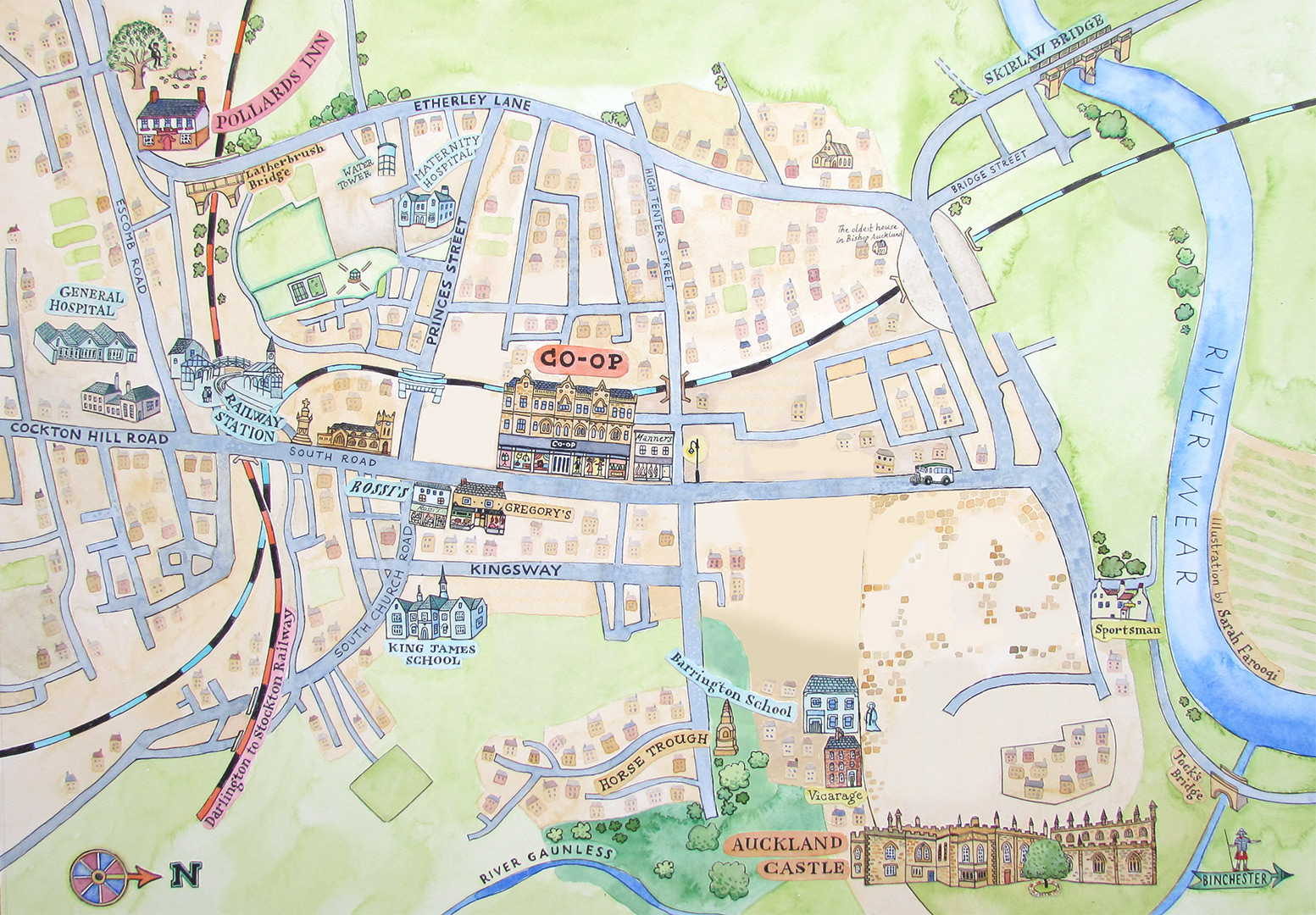
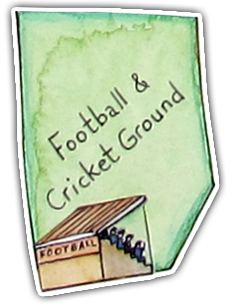
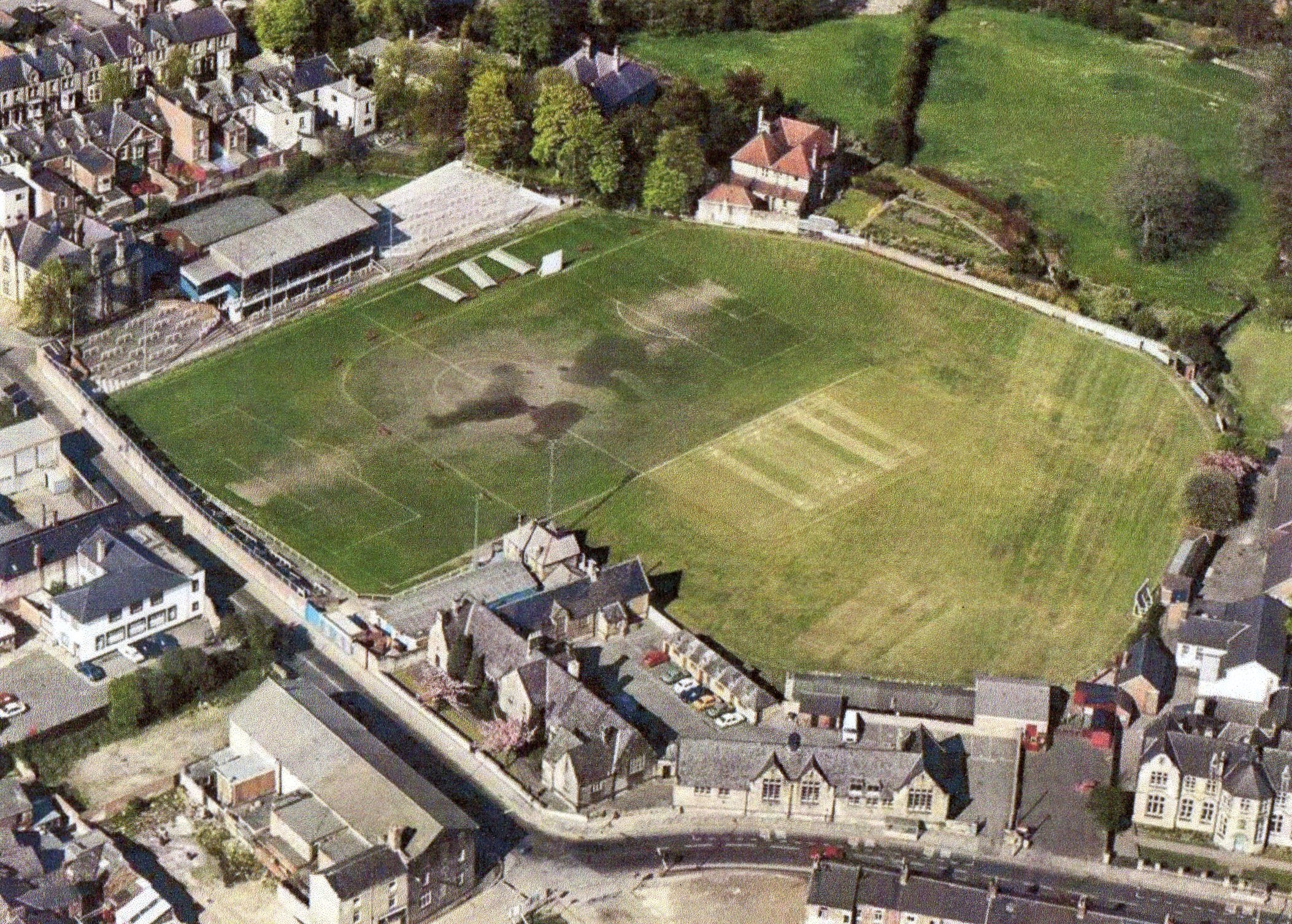
Junction of South Church Road and Kingsway.
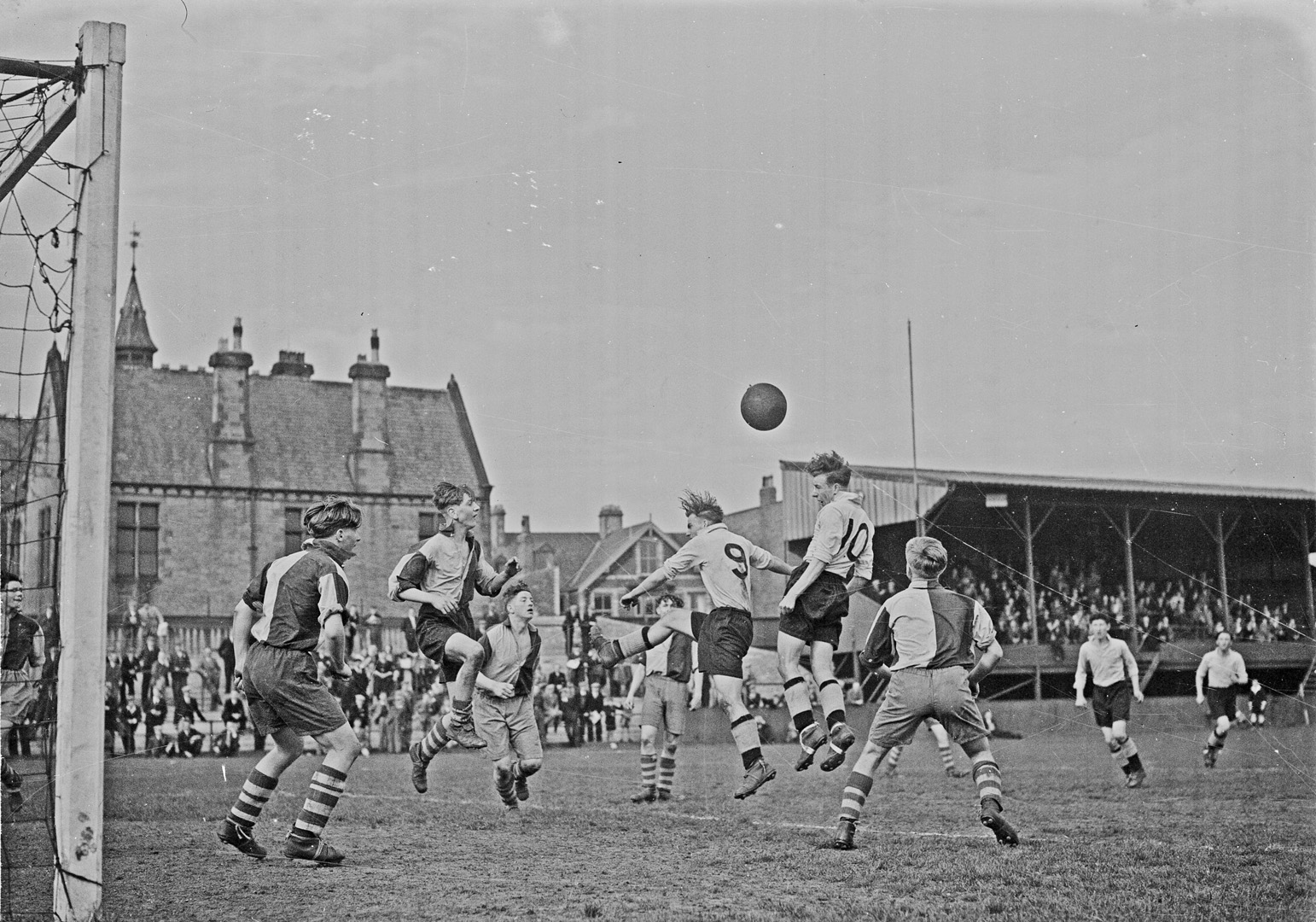
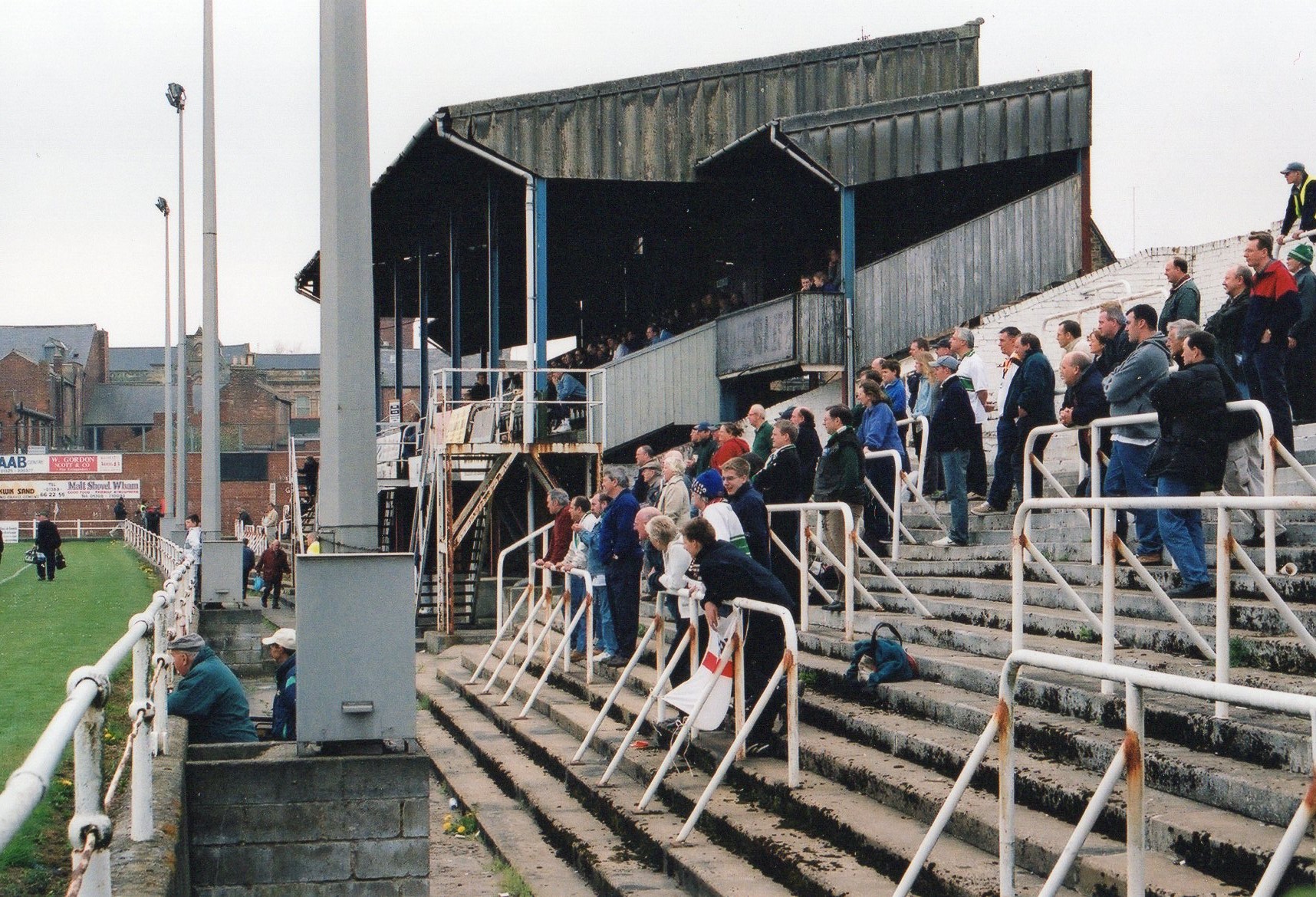
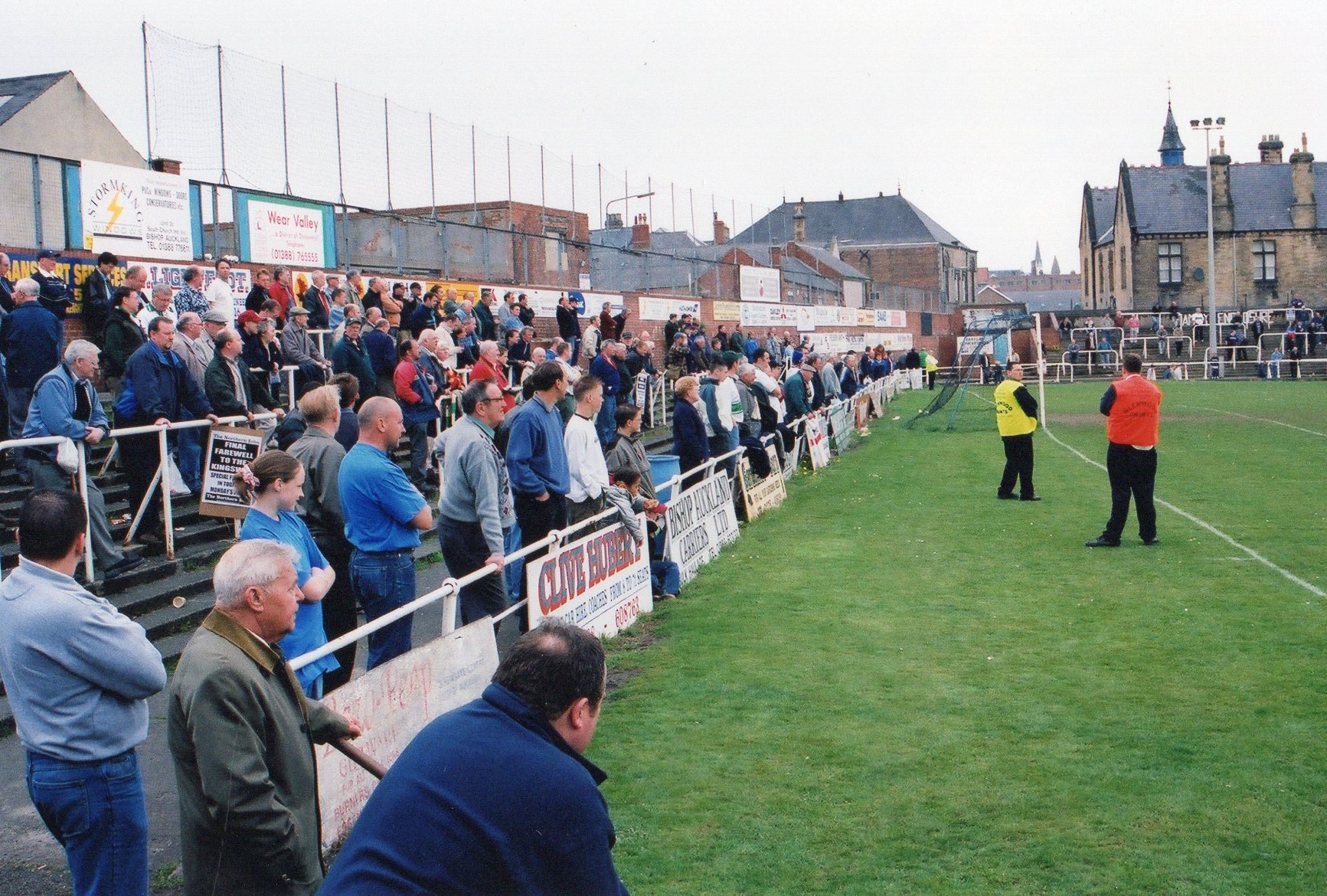
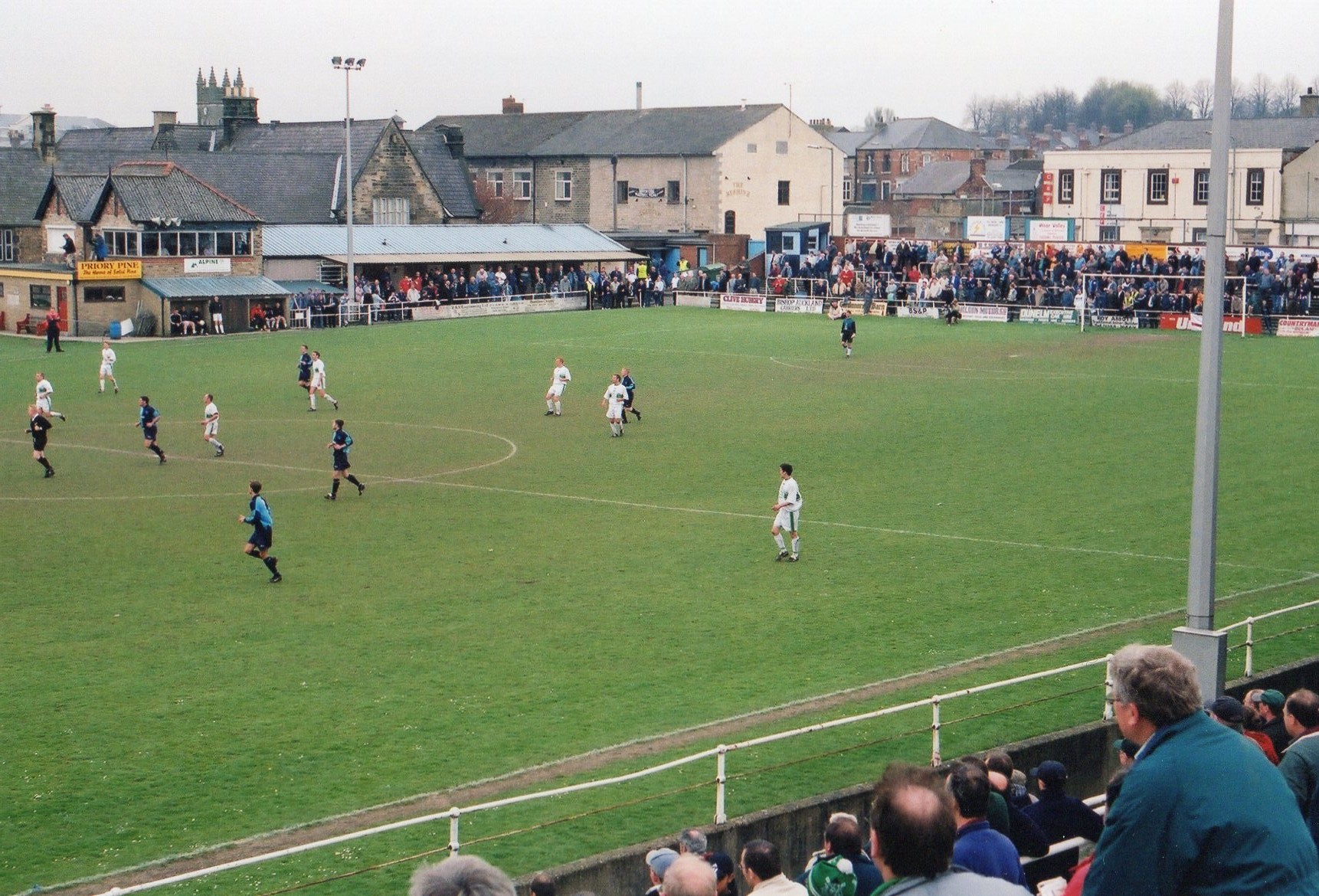
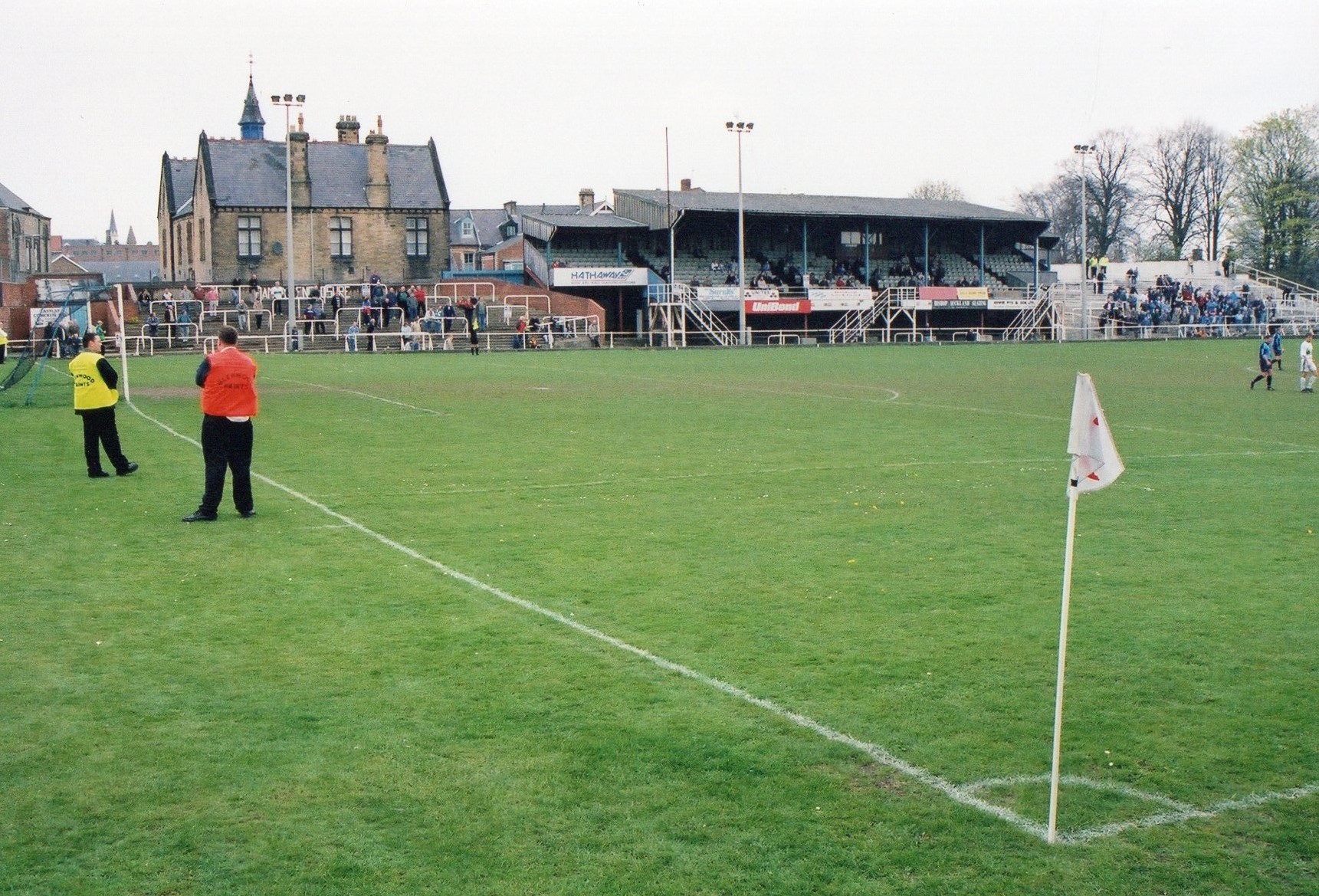
Cricket ground for Bishop Auckland Cricket Club and previously home ground for Bishop Auckland Football Club.
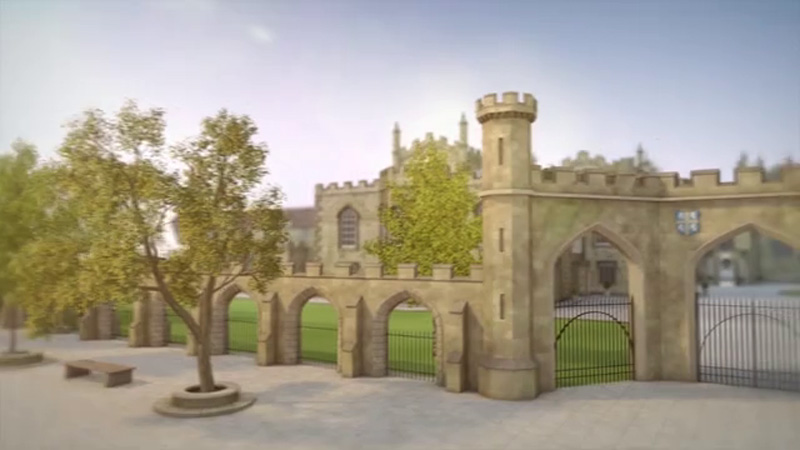
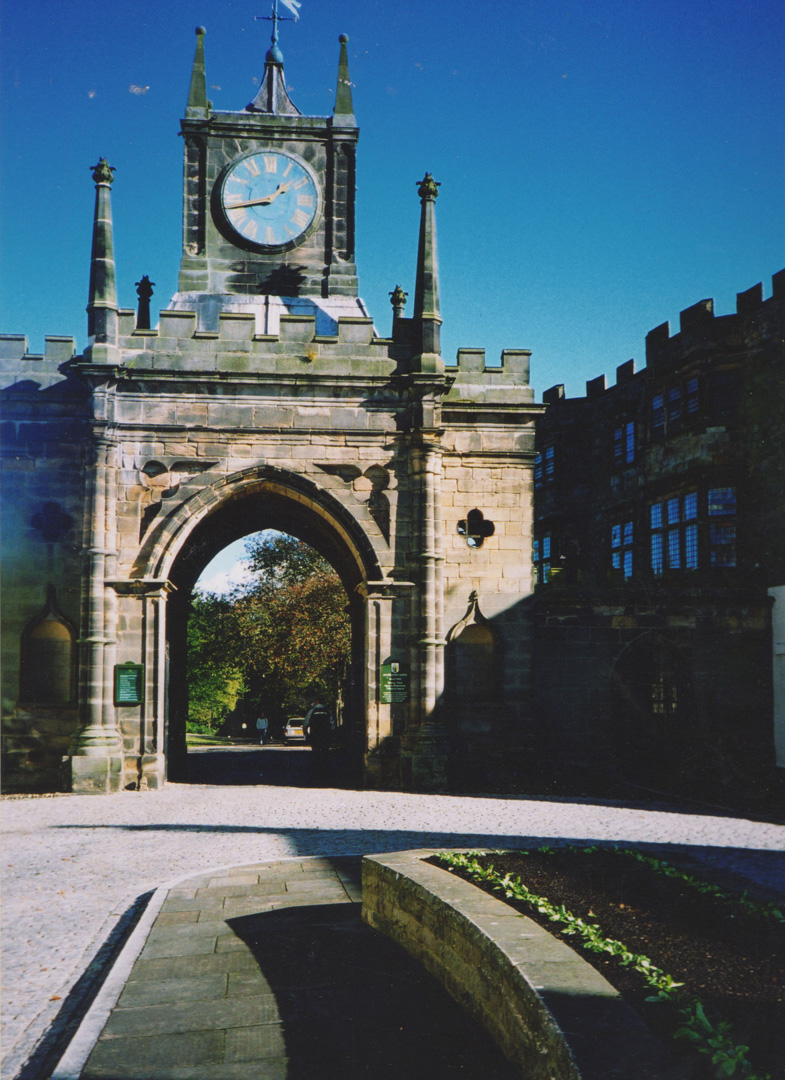
Home of the Prince Bishops of Durham and office to the current Bishop of Durham. First built as one of the major castles and hunting lodges of the Prince Bishops it became the primary residence of the Bishops from 1837.
Part of the oldest surviving area of Bishop Auckland dating to the Medieval period. The first buildings on the street were houses for bondsmen and tradesmen who serviced the estate of Bishops of Durham.
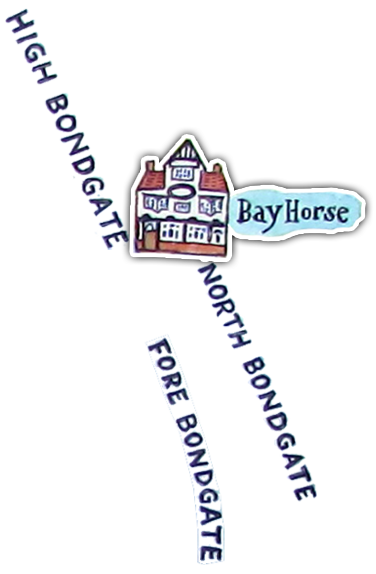
The Bay Horse, 39-40 Fore Bondgate.
Known as the oldest surviving licensed hostelry in County Durham. In the 1800s Bishop Auckland had over 60 pubs and inns serving alcohol and food.
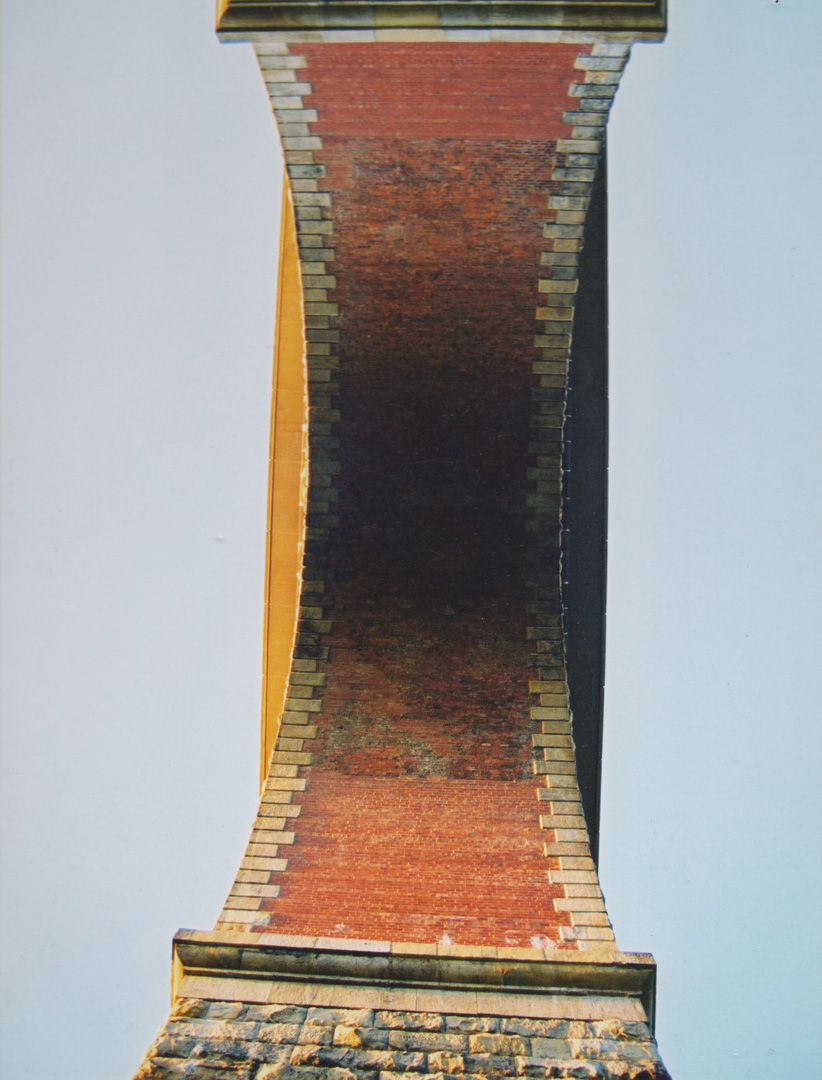
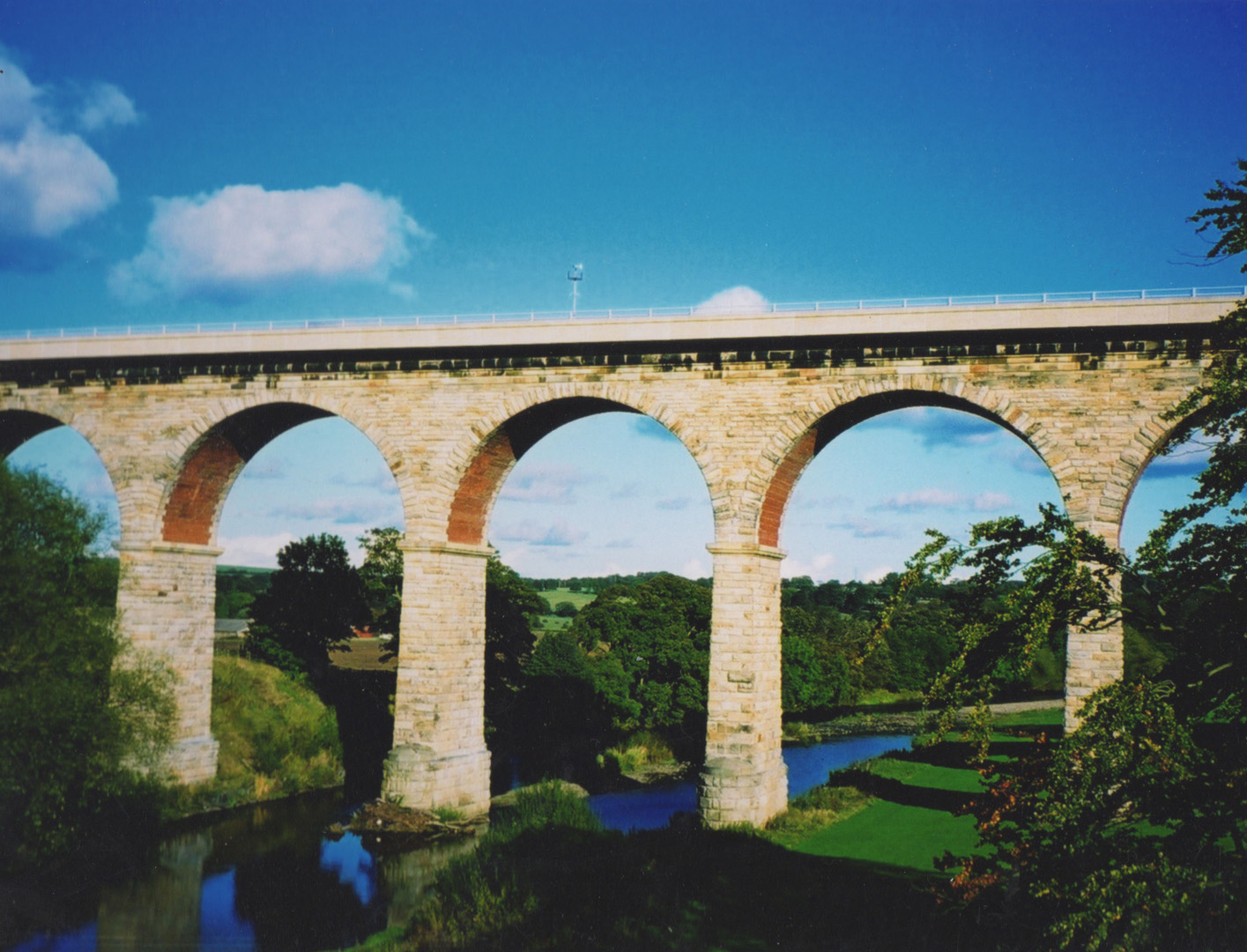
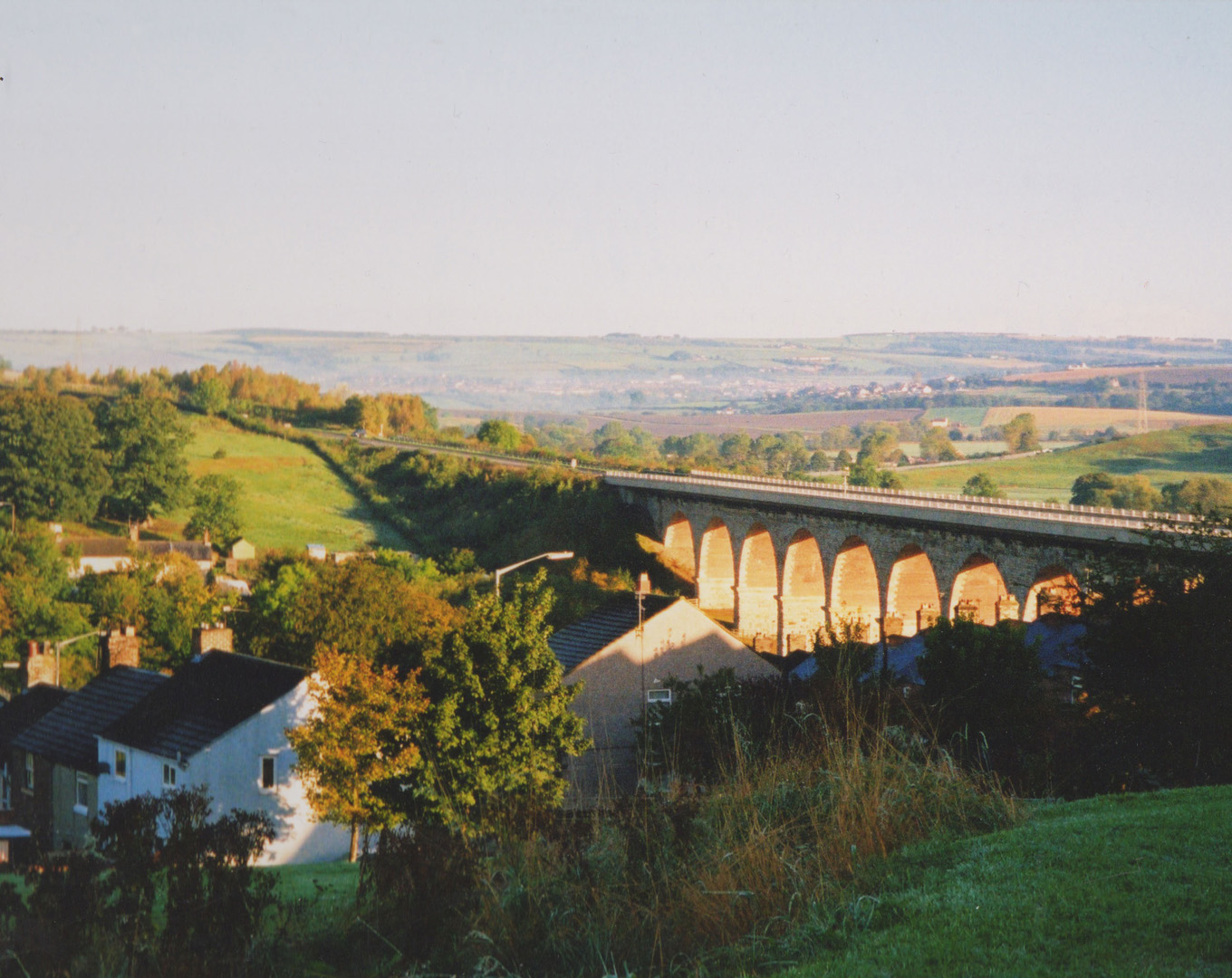
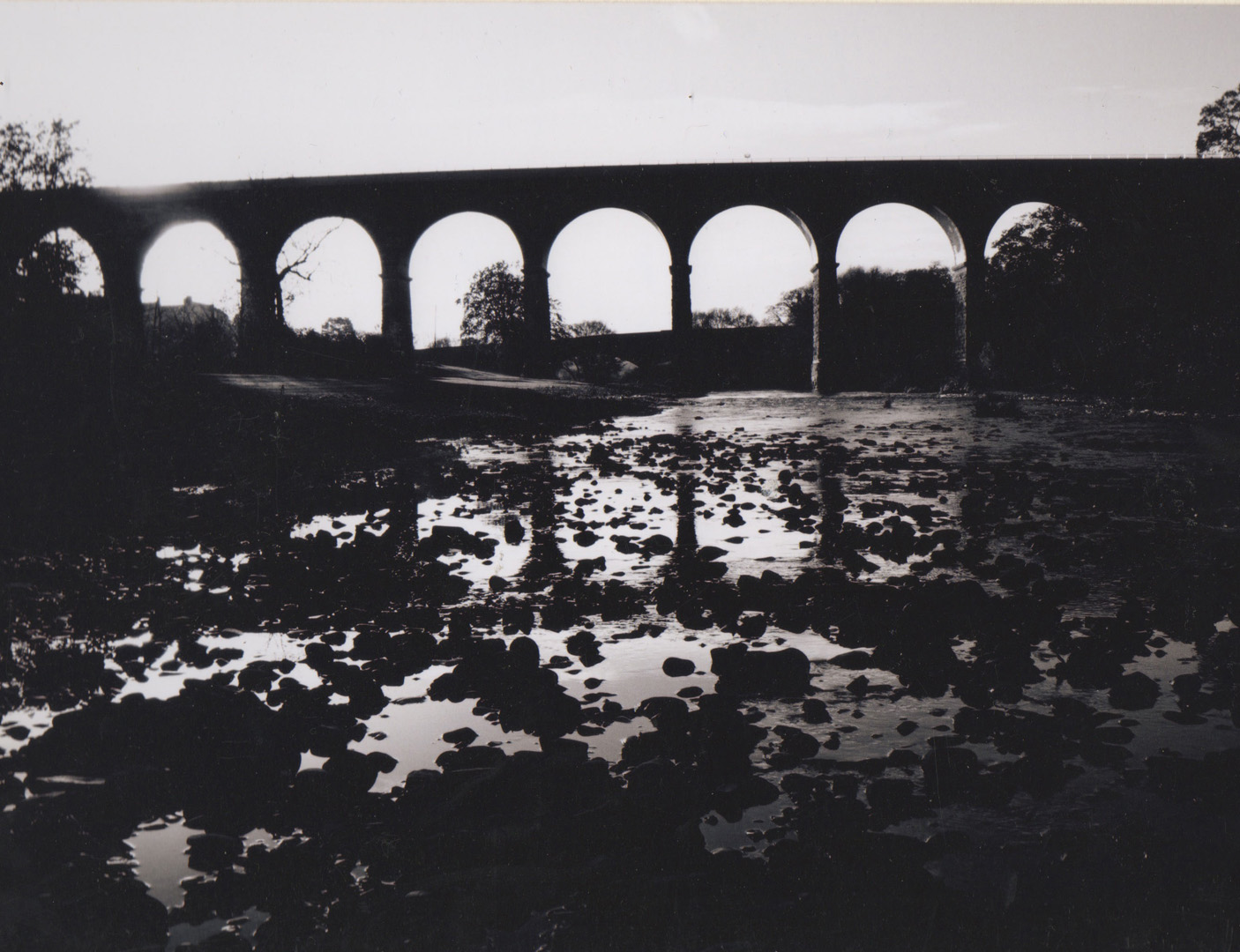
Newton Cap Viaduct
Railway bridge designed by North Eastern Railway’s chief engineer Thomas Elliott Harrison. The line opened to freight and passenger travel in 1856. It was saved from demolition by a public campaign spearheaded by Dr Robert McManners OBE and converted to the present road A689 in 1995.
Bishop Auckland is an historic market town. It is the second largest settlement in County Durham, after Durham City and is strategically located on the rivers Wear and Gaunless. The town rapidly expanded in the 1800s due to the industrial revolution.
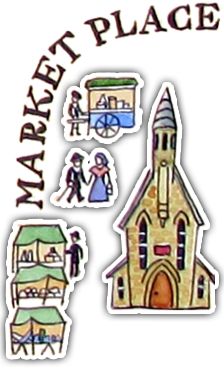
Market Place.
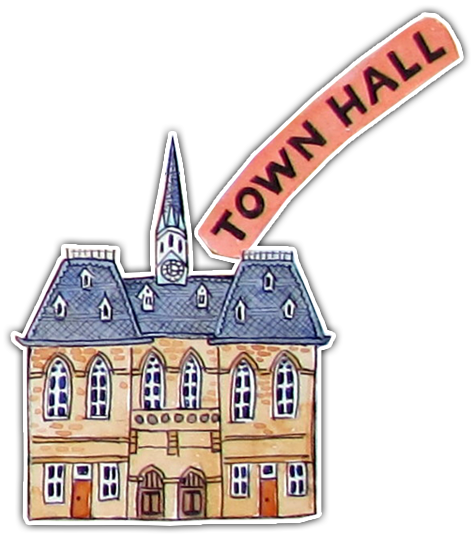
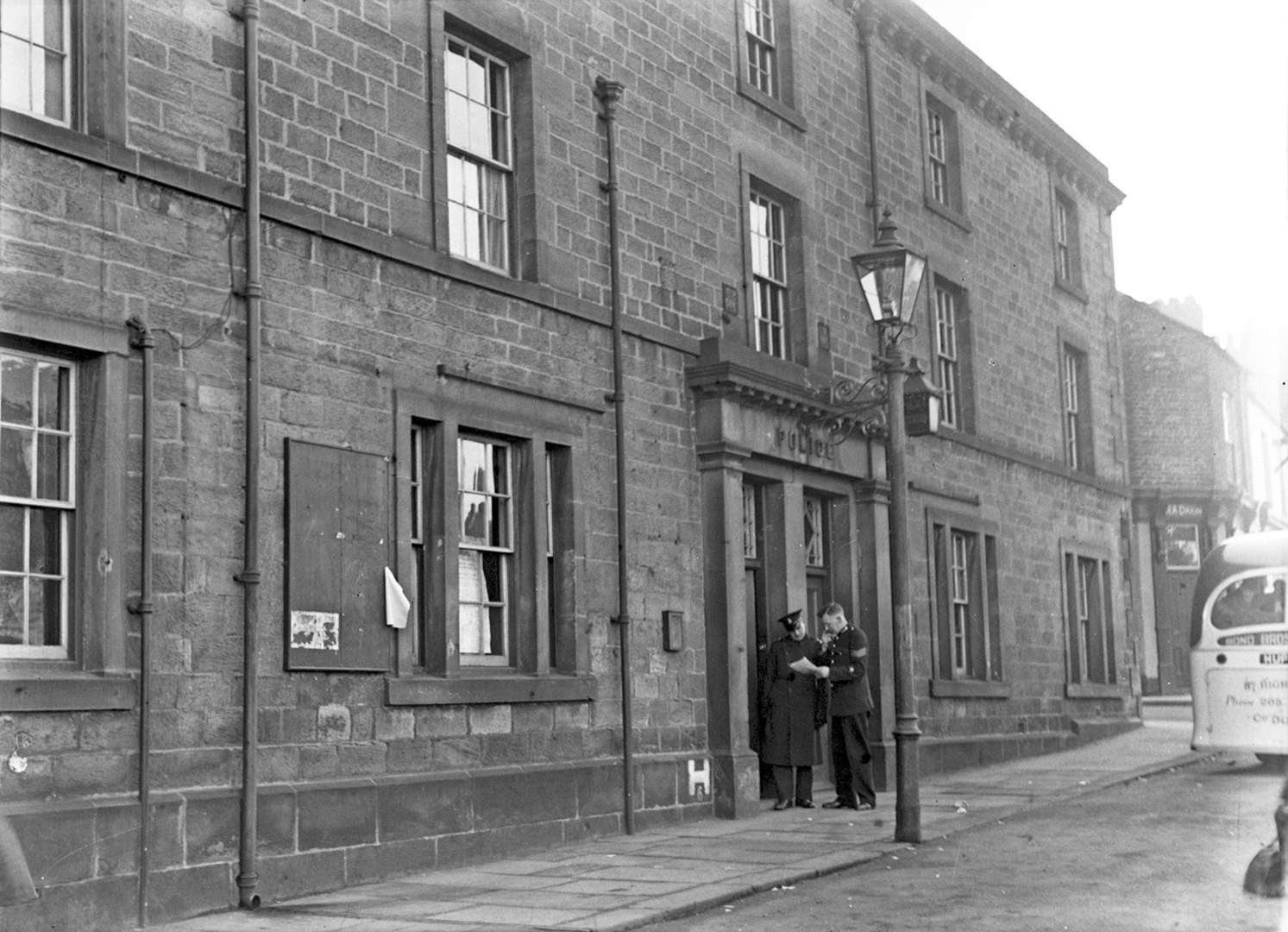
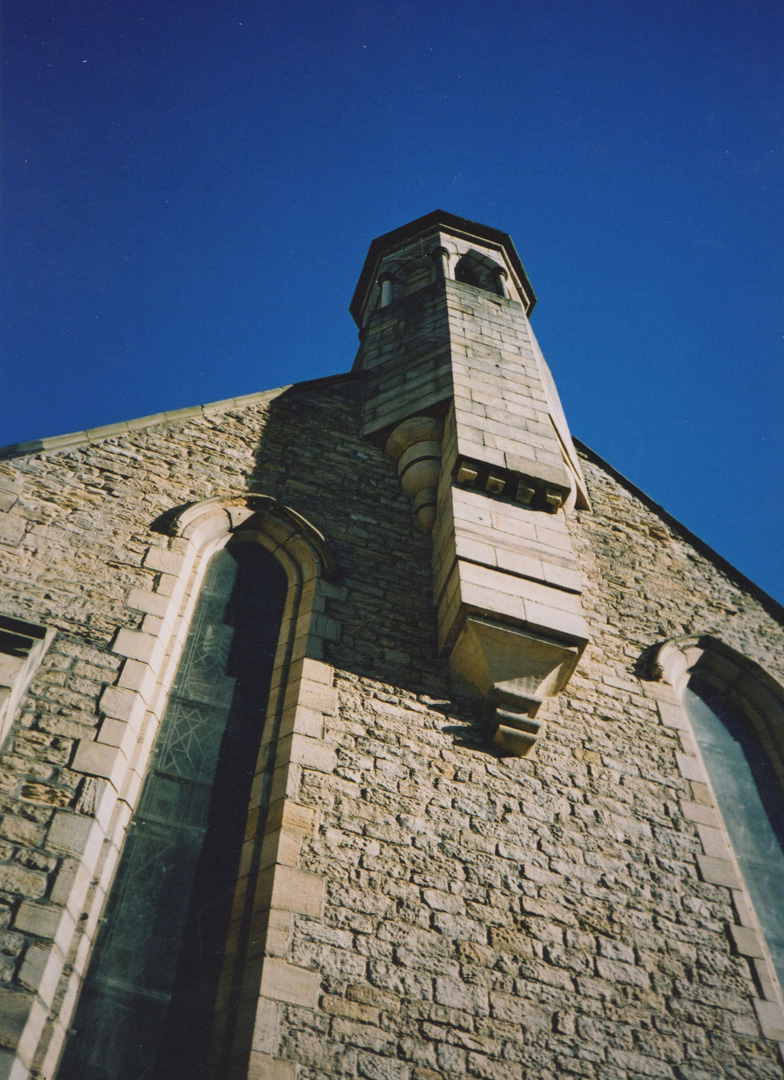
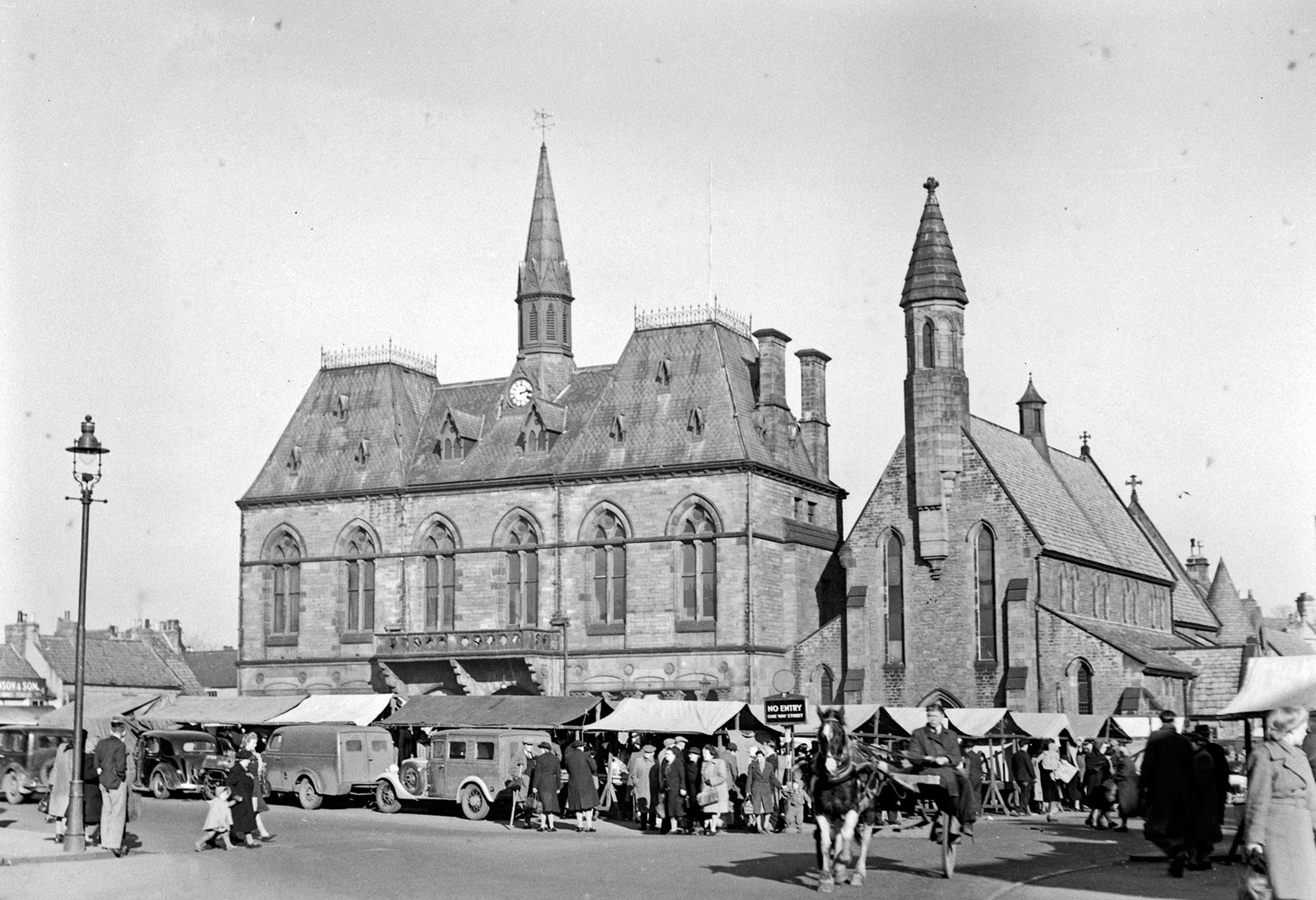
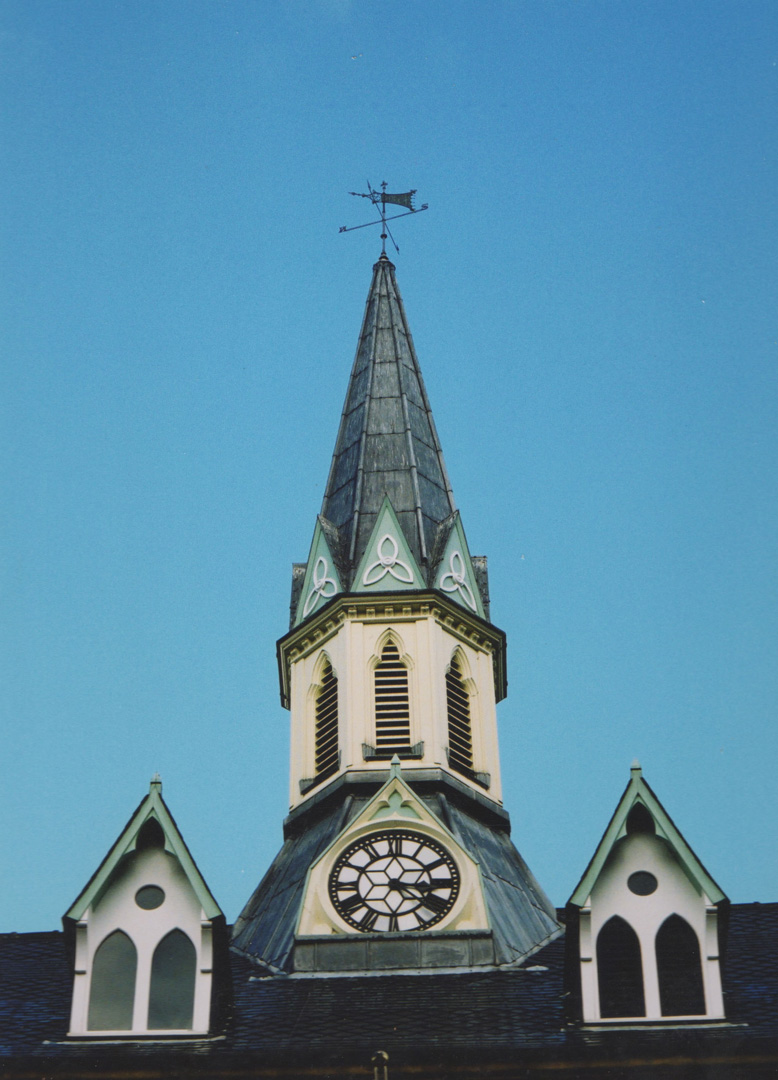
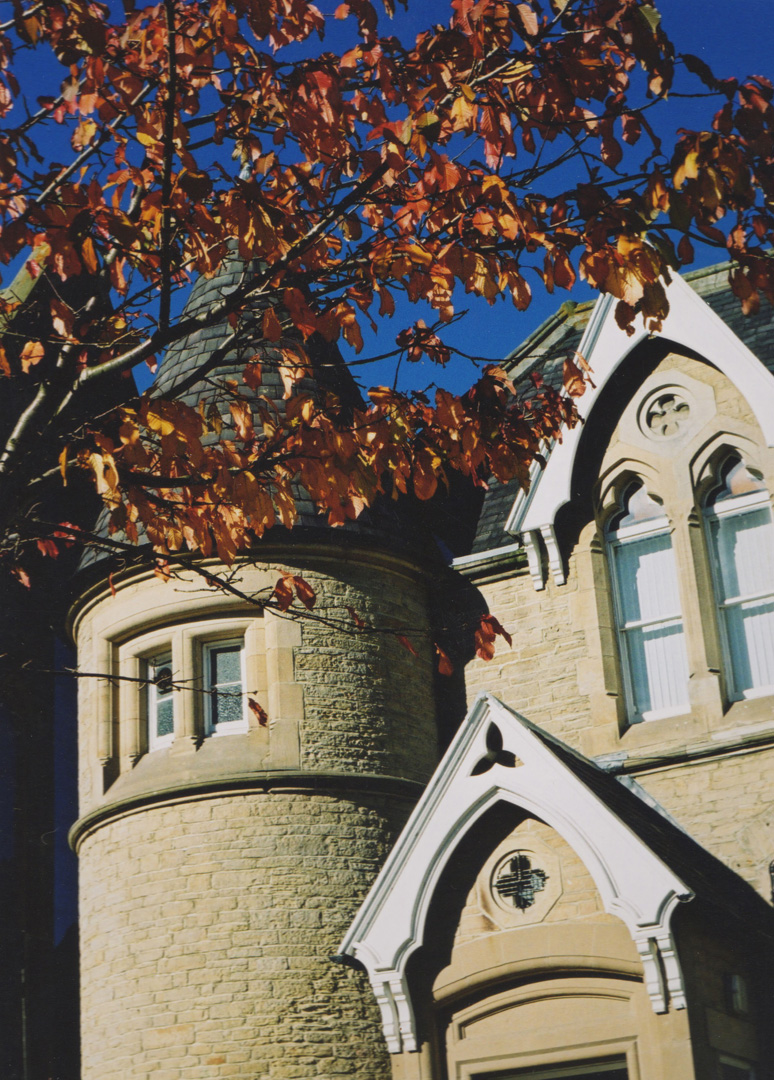
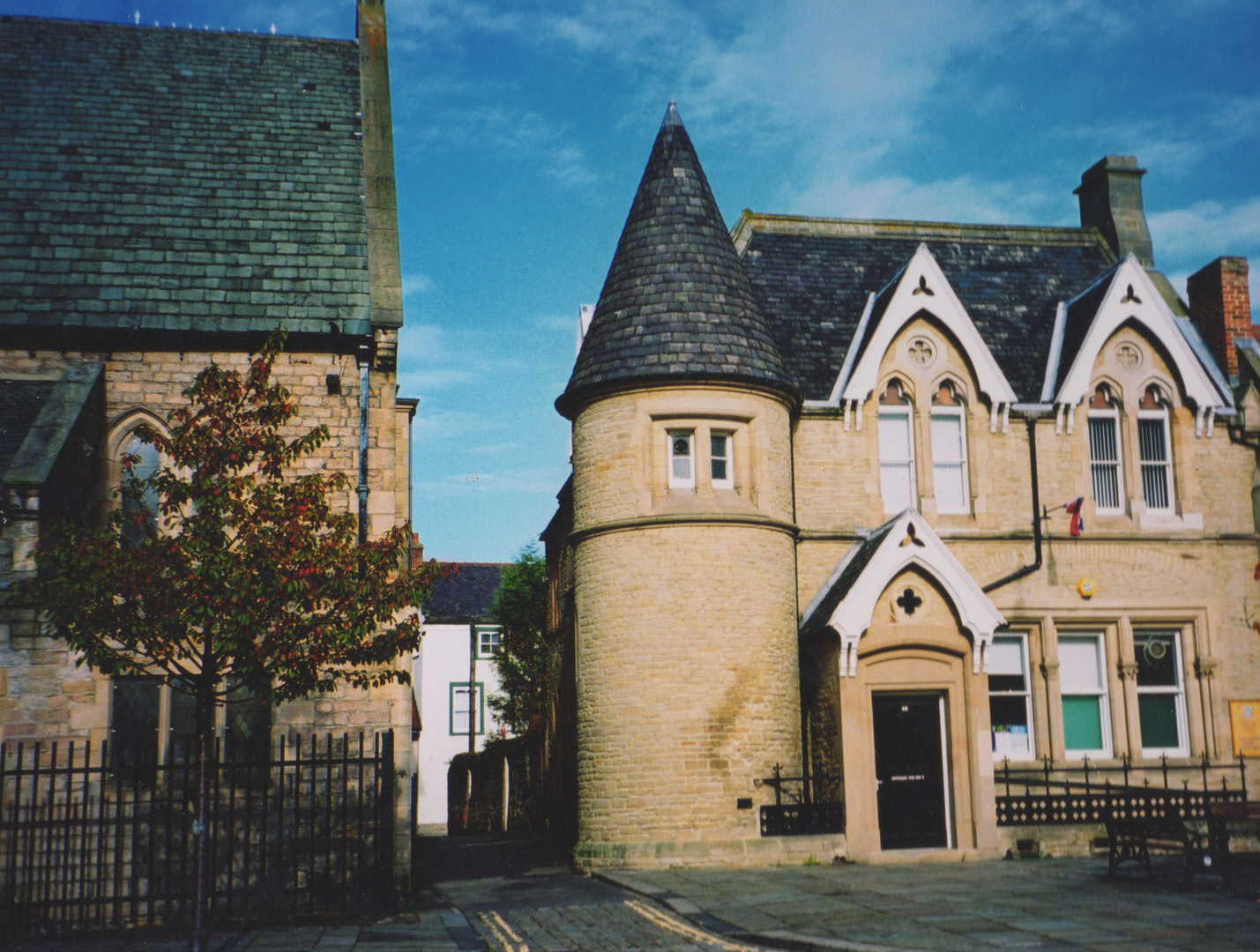
Grade II listed building built in a Gothic Revival style. Over the last 150 years it has housed a jail, school, market, local government, café, library, cinema and gallery.
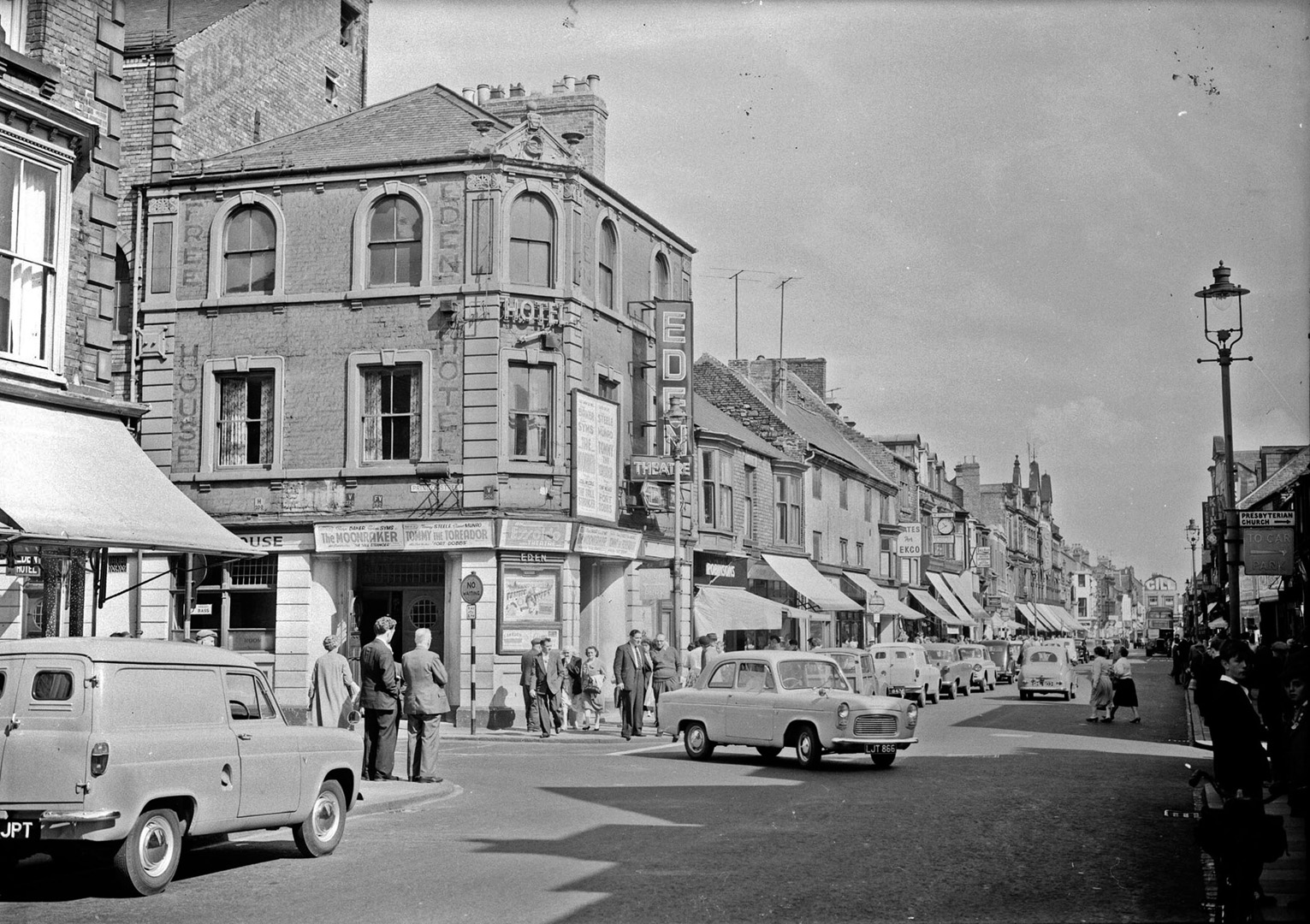
Junction of Newgate Street and South Church Road.
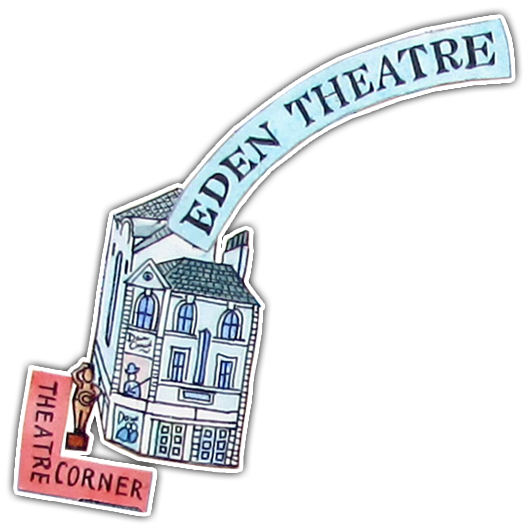
Musical theatre and cinema. Opened in 1865 as a music hall and converted into a cinema in the 1920s. Owned by the Essoldo group from 1945 to its closure in 1969. It was demolished in 1973.
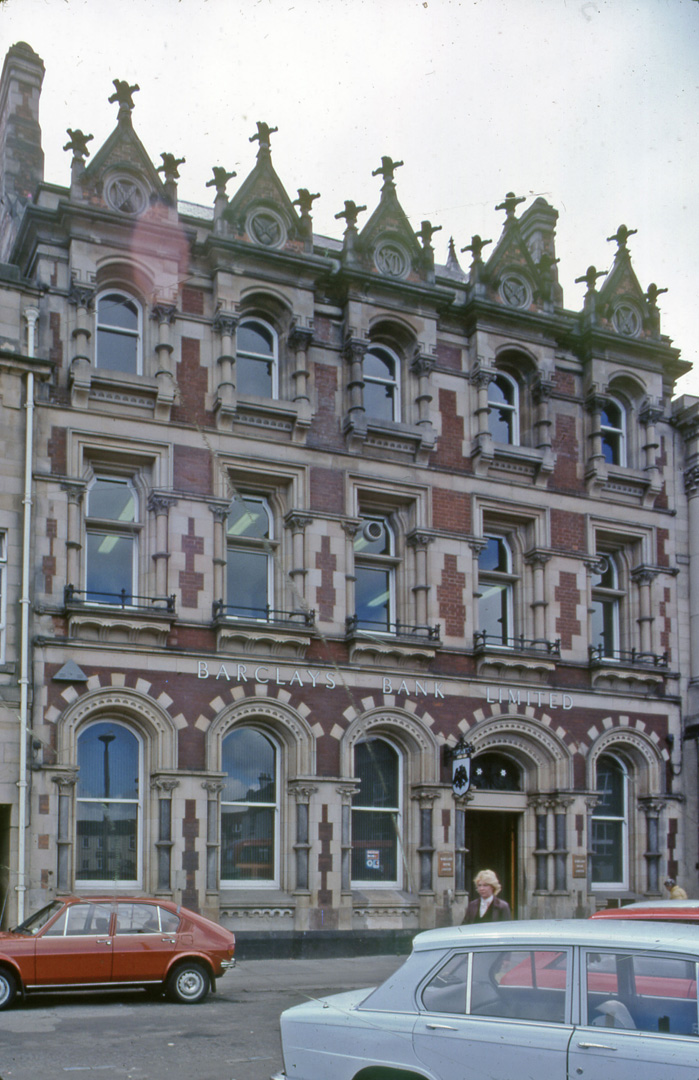
2 Market Place.
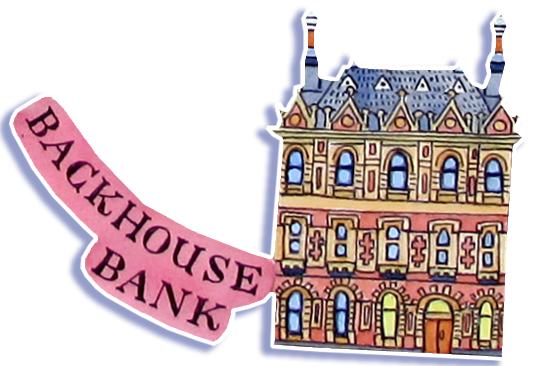
Former Barclays Bank. Built by George Gordon Hoskins for Backhouse & Co in 1870. In 2019 it will house a new museum and gallery dedicated to Spanish art and culture.
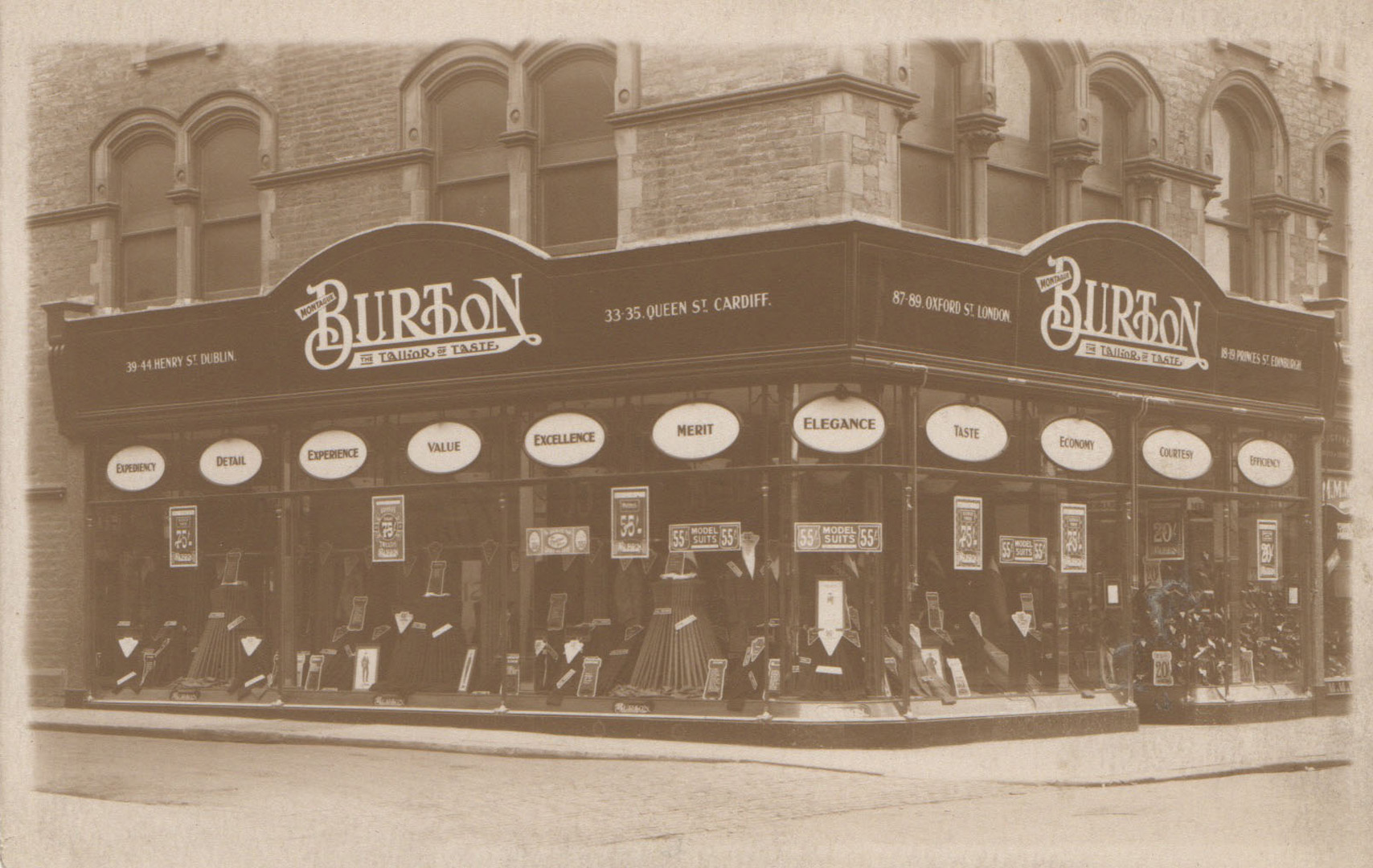
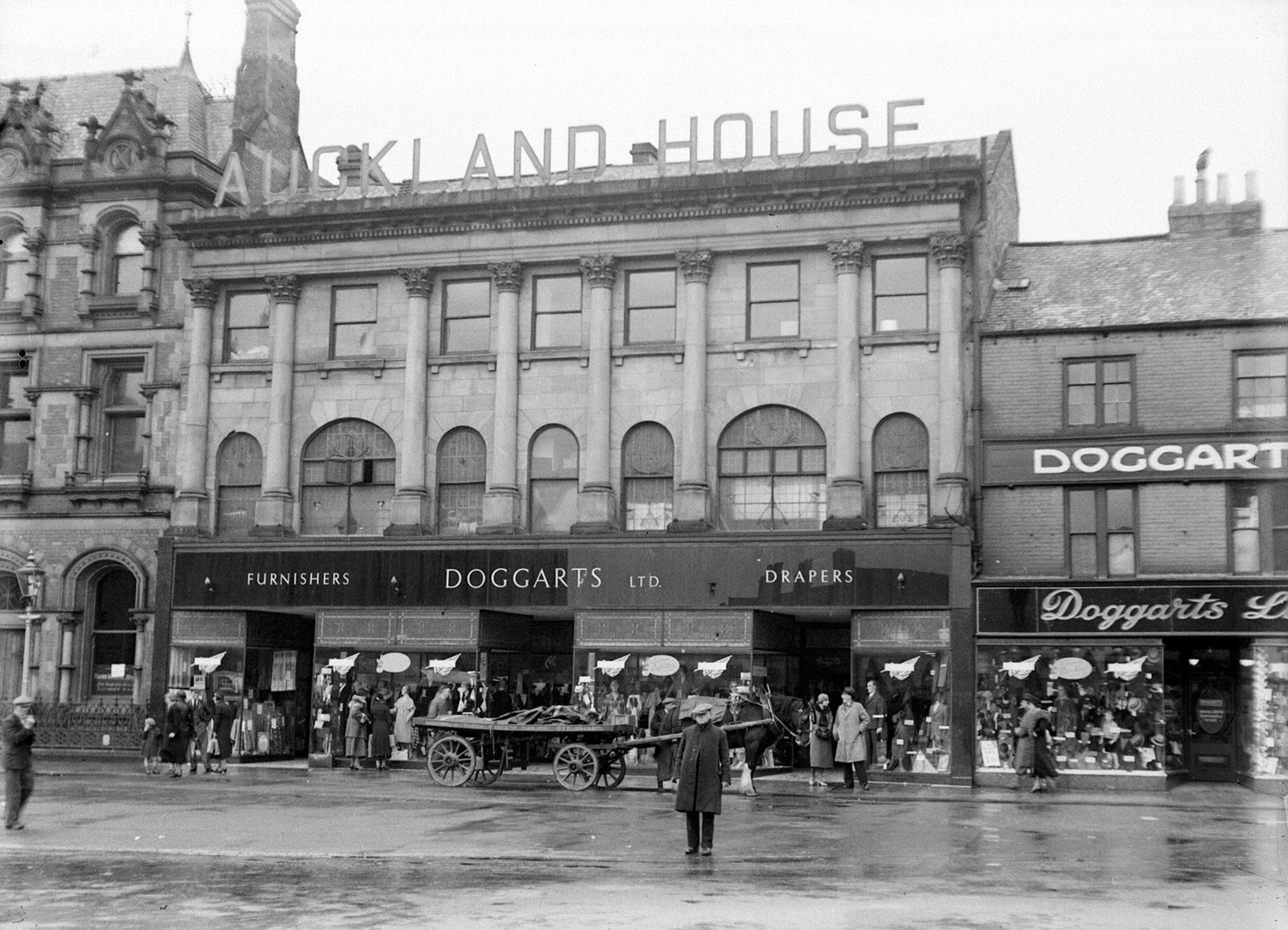
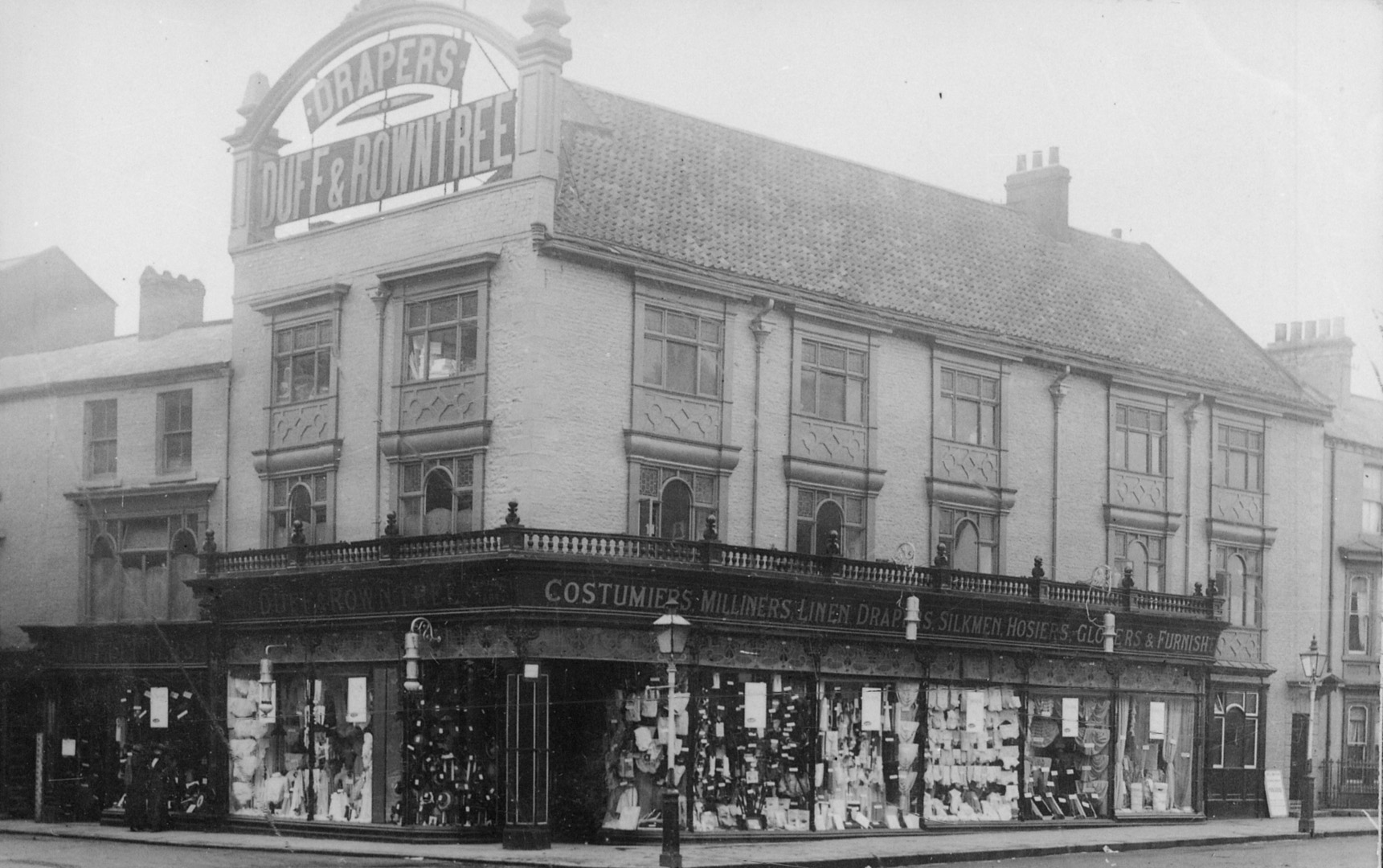
1-2 Market Place and 9 Newgate Street.
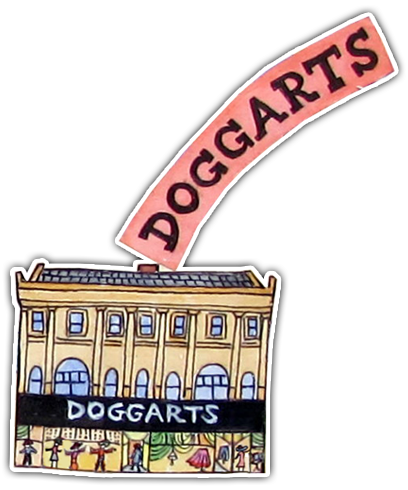
Large department store with two entrances, which occupy the current premises of Sports Direct and WH Smiths.
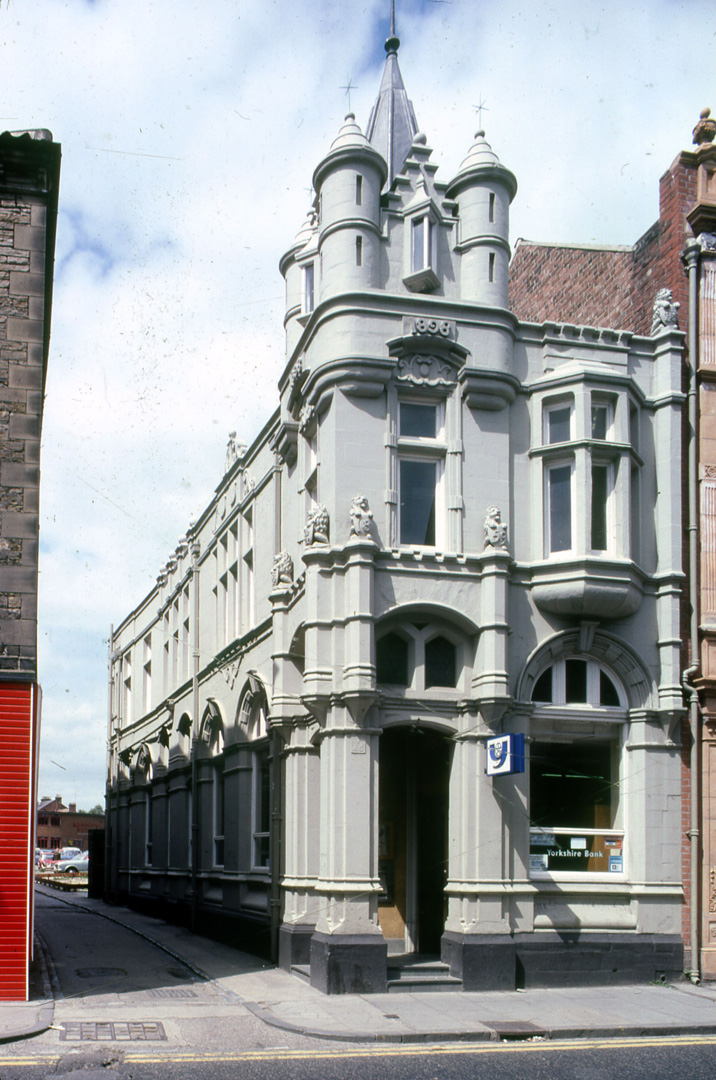
18-22 Newgate Street.
Located on the corner of the former Bank Street and Newgate Street. Built in 1898 using sandstone and ashlar stone in a free Jacobean style.
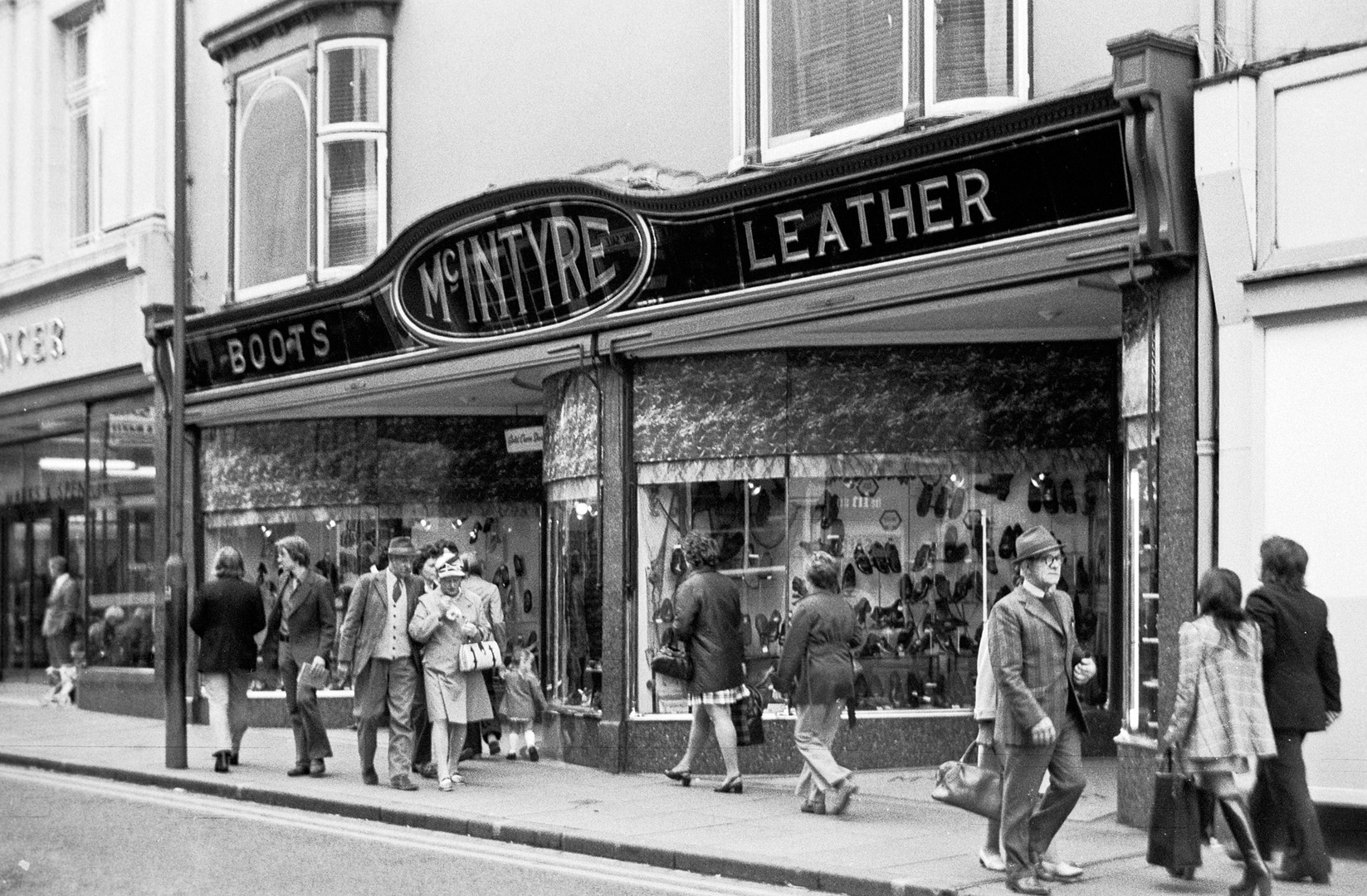
25 Newgate street.
Grade II listed building and site of the former footwear and leather goods store, W.J.Mcintyre & Sons Limited.
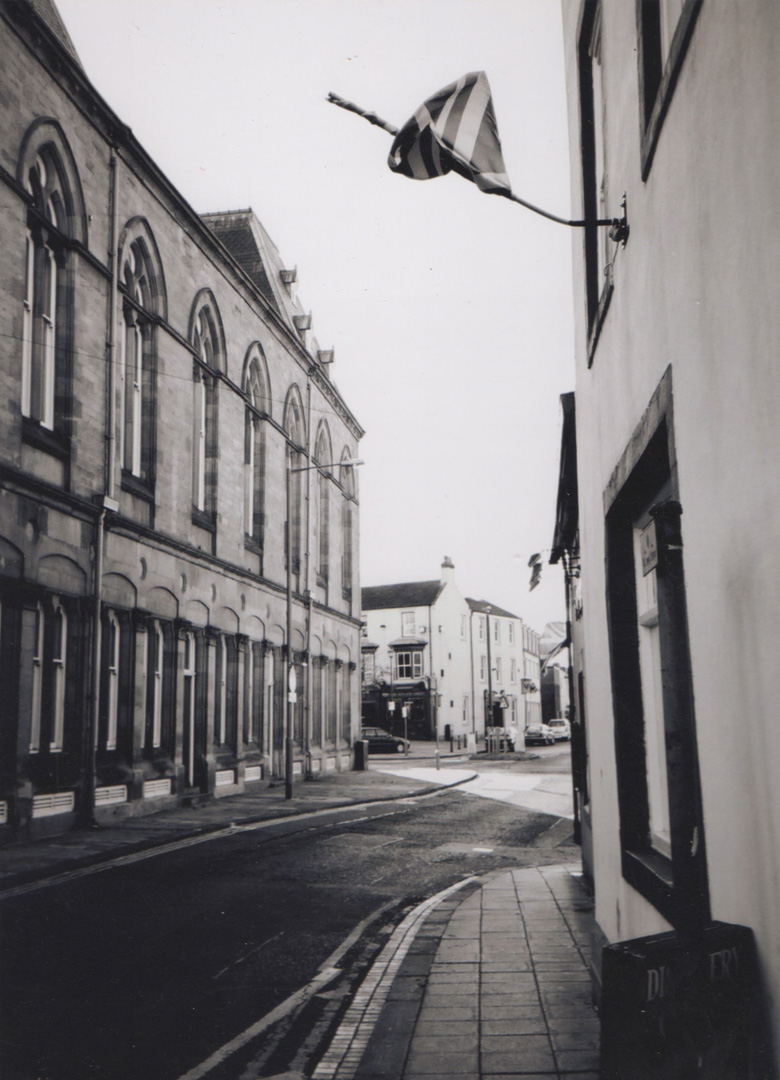
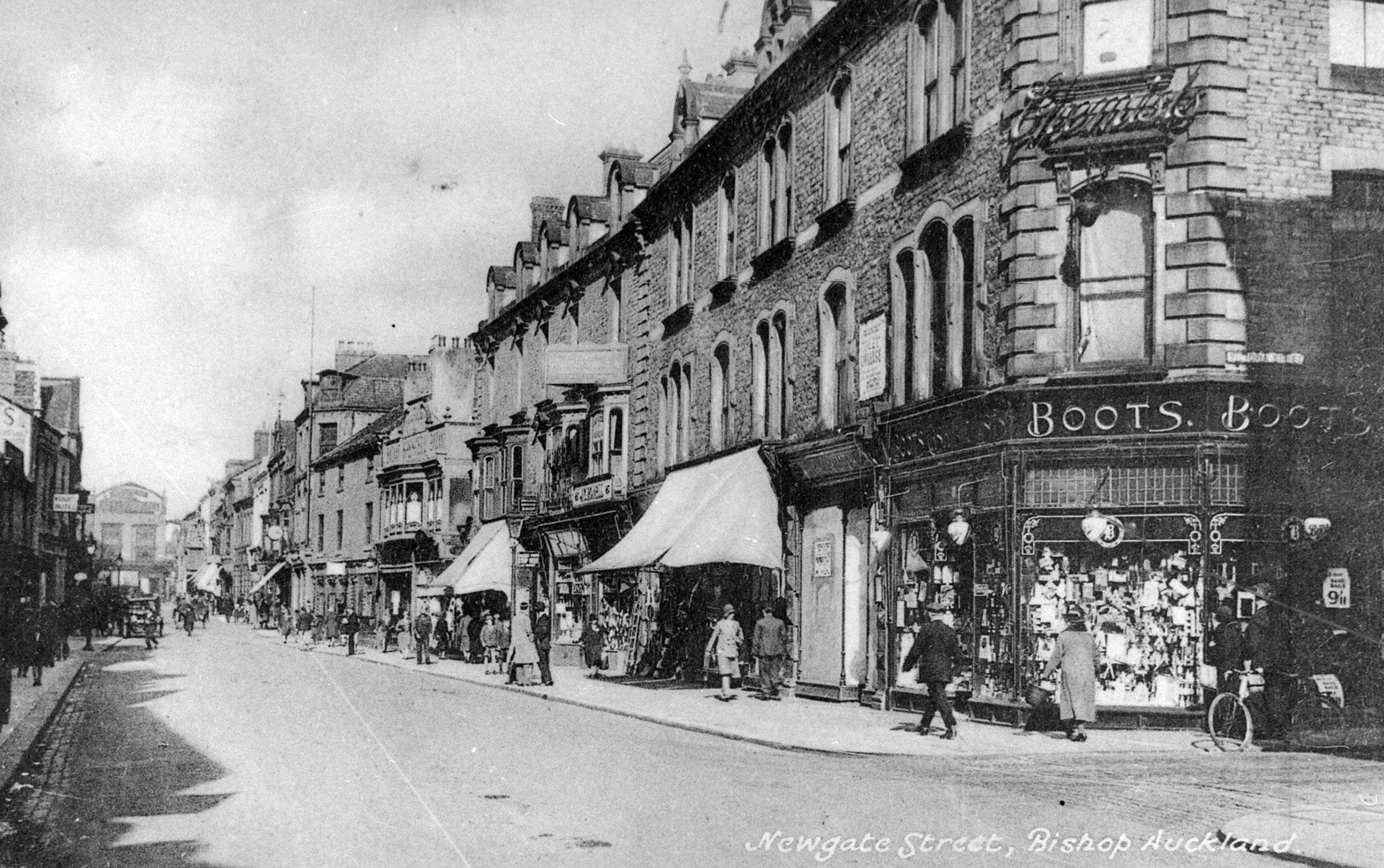
Commercial hub of Bishop Auckland after 1600s. May overlay the Roman Road of Dere Street, which ran from York to Corbridge.
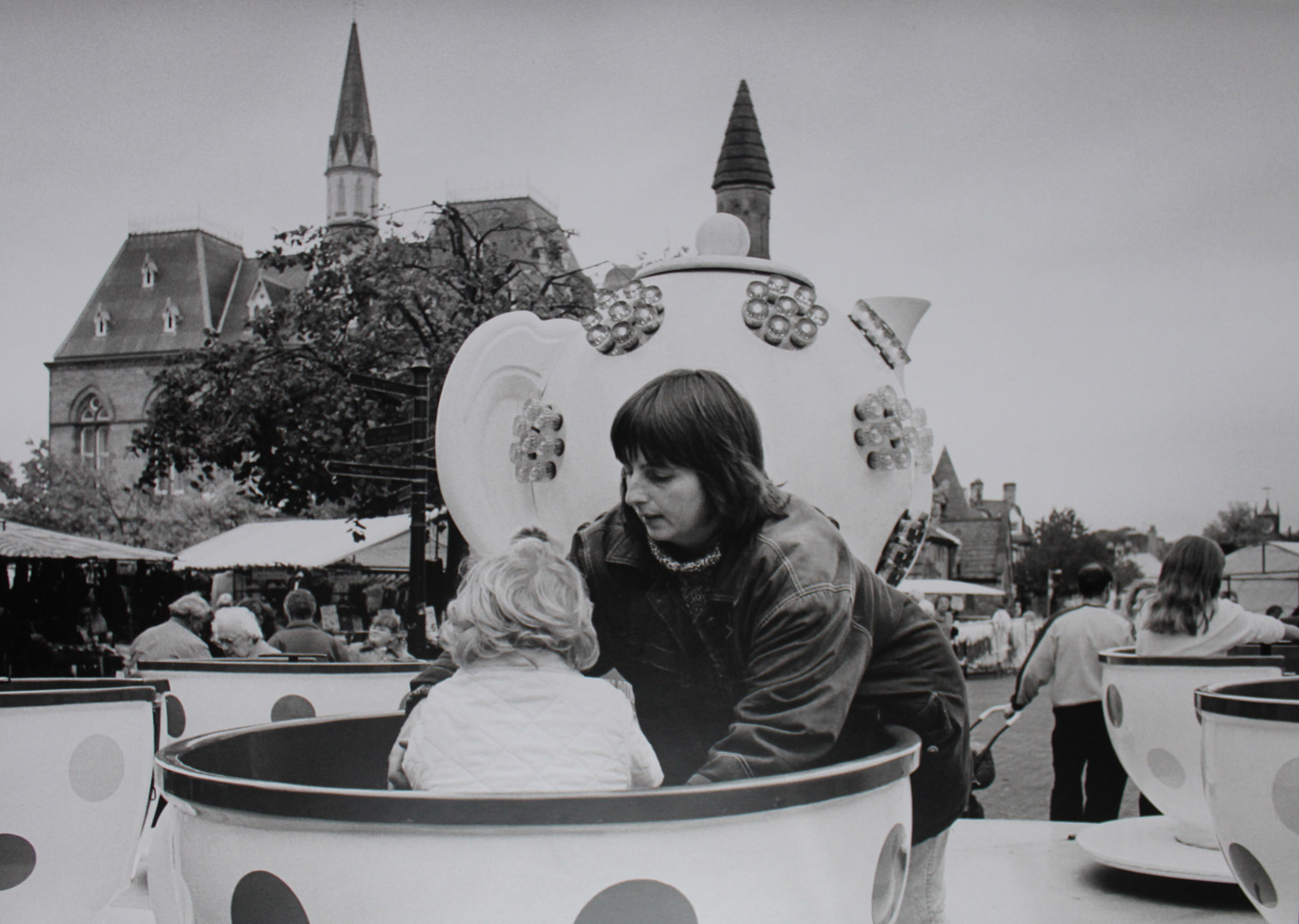
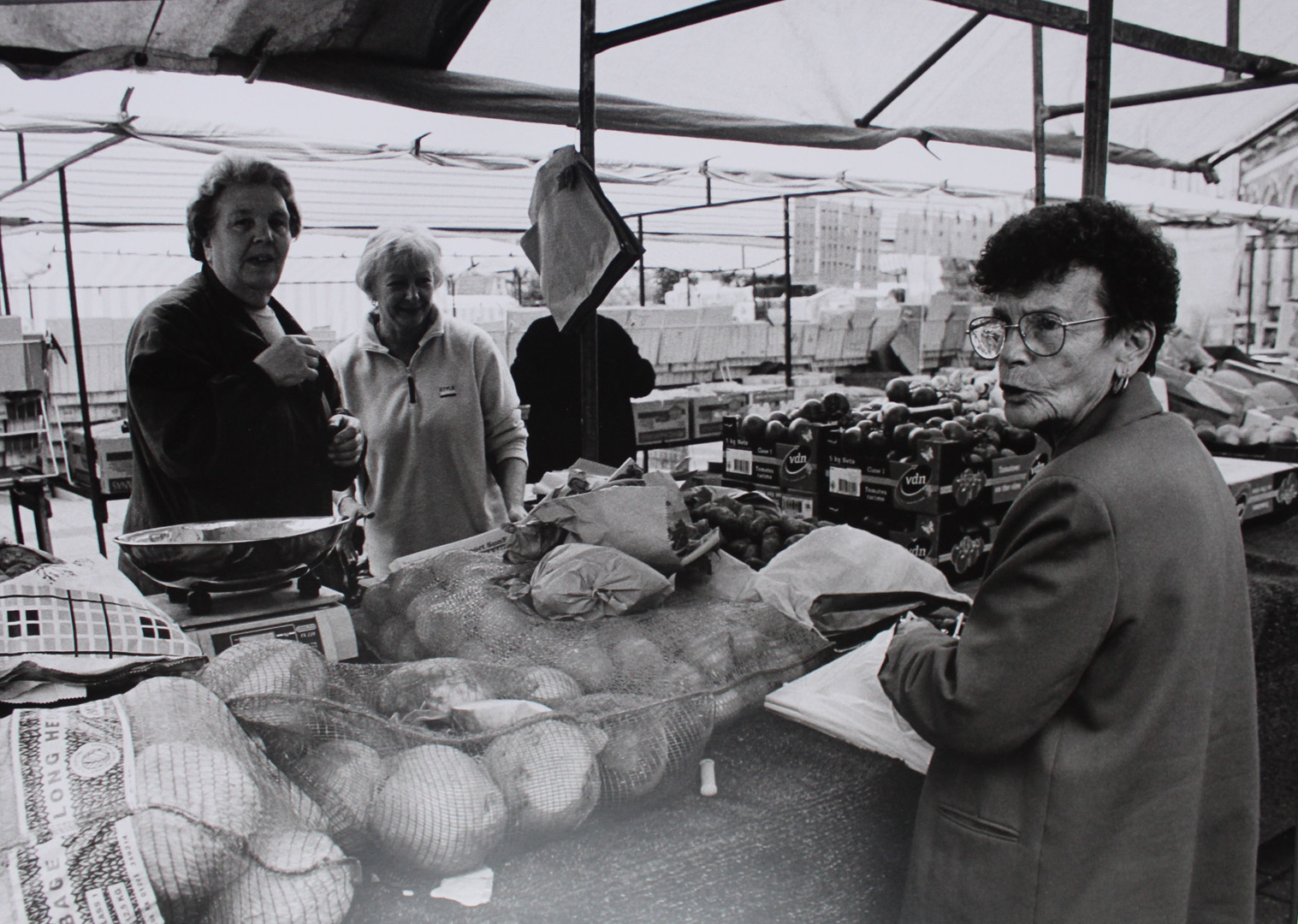
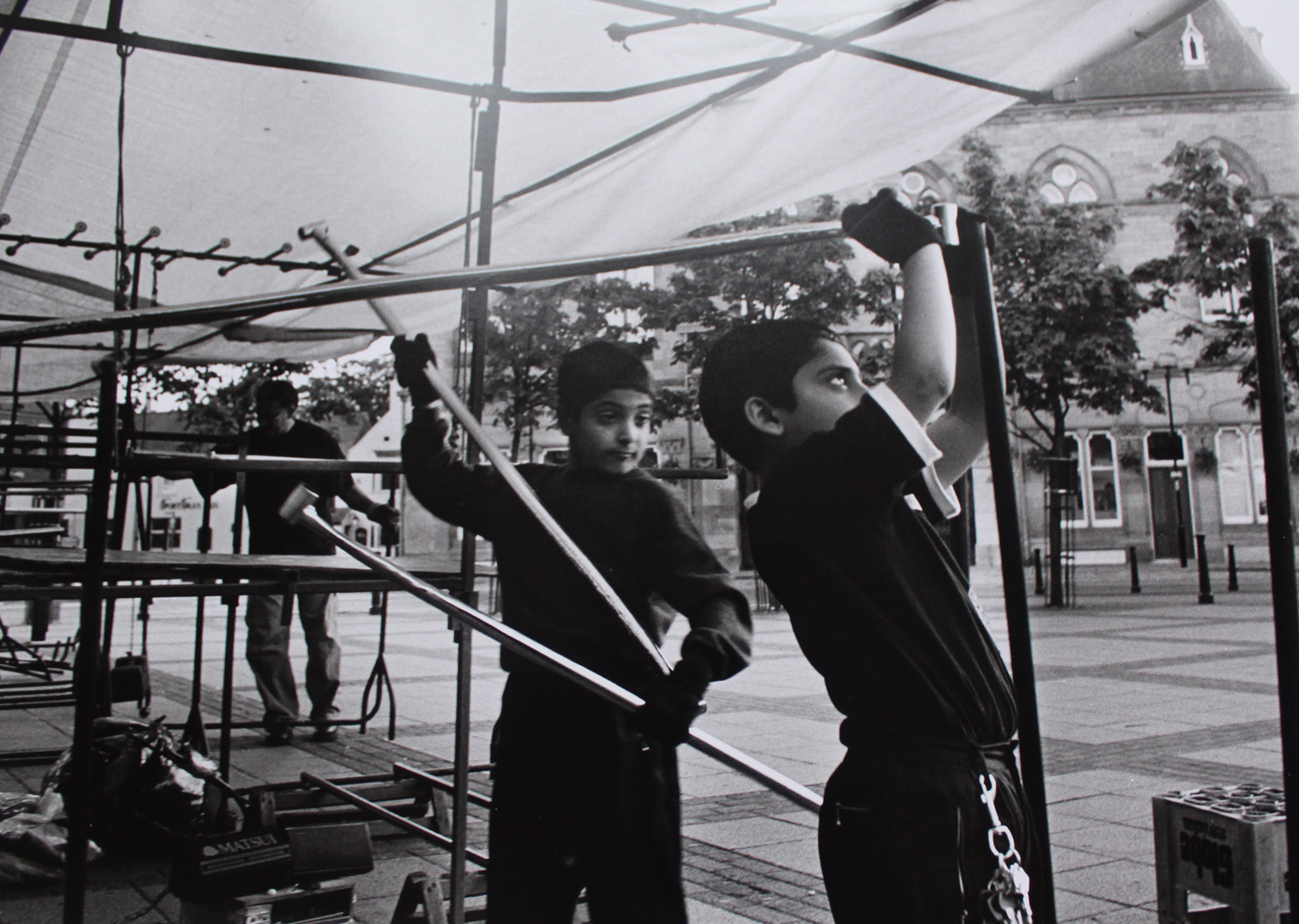
Traditional market place which hosted a regular market and fair from medieval times to the present today. The Market Place features many of Bishop Auckland’s most iconic buildings. Many of these buildings are listed.